T.R. Maxwell
Have you ever found yourself wondering about the differences between a casket and a coffin? In times of loss, when decisions need to be made swiftly, understanding these key distinctions can be crucial. Whether you’re planning ahead or making arrangements in a time of need, knowing the differences between a coffin or casket can guide you in making informed choices.
Introduction to the casket vs coffin debate
The terms coffin and casket are often used interchangeably, yet they embody distinct characteristics and historical significances. As we navigate the evolving funeral practices across various cultures, examining the differences between a casket or coffin becomes essential. While both serve the fundamental purpose of housing a deceased loved one, their design, cultural implications, and regional preferences set them apart.
Historical context: Coffins and caskets through the ages
Coffins have a long history dating back to ancient civilizations. Traditionally, they are designed with a tapered shape, narrower at the head and foot, which some believe symbolizes the human form. This style has been prevalent in many cultures for centuries.
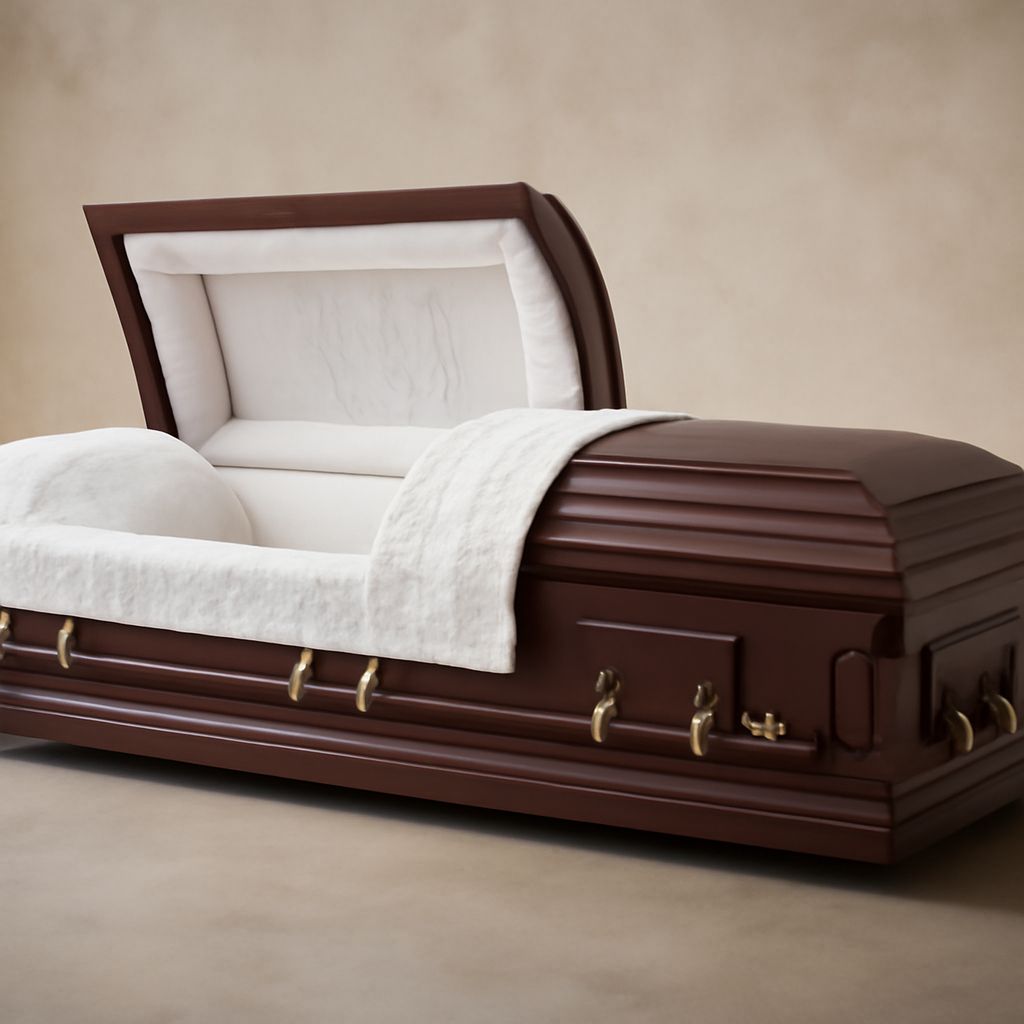
Caskets, on the other hand, emerged more prominently in the 19th century, particularly in North America. Caskets are rectangular and tend to be more elaborate in design and decoration, reflecting the changing attitudes toward death and memorialization. This evolution underscores the shift from simple, functional designs to more ornate and personalized tributes.
Design and construction: How coffins differ from caskets
The design differences between a coffin or casket are immediately noticeable. Coffins are characterized by their six or eight-sided shape, designed to be more space-efficient, often made from wood or other biodegradable materials. This design is intended to reduce unnecessary material usage and align with eco-friendly burial practices.
Caskets, with their rectangular shape, offer more room and are often constructed with luxurious materials such as plush linings, high-quality wood, or metal. The design can include intricate details and custom features, making them a preferred choice for those seeking to reflect the personal tastes or status of the deceased.
Cultural and regional preferences
Cultural norms and regional traditions heavily influence the choice between a casket or coffin. In the United States, caskets are the predominant choice, often associated with modern funerary practices and the desire for elaborate ceremonies. The rectangular design is also seen as more visually appealing in Western cultures.
Conversely, in the United Kingdom and many European countries, coffins remain the standard. Their practical design appeals to those who favor tradition and simplicity. Additionally, in regions where space is a concern or where eco-conscious practices are prioritized, coffins are often the preferred option.
Making the right choice: Coffin or casket for your needs
Choosing between a coffin or casket ultimately depends on personal preference, cultural traditions, and budget considerations. If the visual presentation and customization options are vital, a casket might be the better choice. They allow for a more personalized tribute, accommodating various aesthetic and symbolic preferences.
However, for those seeking a more traditional or environmentally friendly option, a coffin may be more suitable. Coffins typically use fewer materials and are often less expensive, making them a practical choice for those mindful of both ecological impact and cost.
In making this decision, consulting with a licensed funeral director can provide valuable insights, especially when dealing with complex arrangements or unique requirements. Their expertise ensures that your choice aligns with any specific cultural or ceremonial needs, providing peace of mind during a challenging time.