 T.R. Maxwell

In Revelation 20, a book of life is opened alongside other books at a scene of judgment. The Bible’s image of the book of life appears in more than one setting, however, from a plea for a people after wrongdoing to an encouragement addressed to a Christian community. These passages use the picture of names recorded before God to speak about life, belonging, and accountability.
The book of life in the Bible: A guide to the passages
The image is best read in its immediate setting. A list of book of life Bible references can point readers to passages that differ in genre, audience, and purpose:
- Exodus 32:31–33: After Israel’s worship of the golden calf, Moses asks God to forgive the people or erase him from God’s book. God’s reply concerns those who have sinned. The scene is an appeal for a community after a breach of its relationship with God; the passage does not call the book a book of life by that name.
- Psalm 69:28: In a prayer arising from suffering and hostility, the psalmist asks that enemies be removed from the book of the living and not be listed with the righteous. The image belongs to a plea for justice, expressed in the language of prayer.
- Daniel 12:1–2: During a time of distress, those found written in the book are described as delivered. The next verse speaks of people awakening, some to everlasting life and others to shame. The passage joins a written record with deliverance and resurrection.
- Philippians 4:2–3: Paul asks for help for coworkers in the gospel and describes their names as being in the book of life. Here the image appears in a letter about relationships within a living community.
- Revelation 3:5: In a message to the church in Sardis, the one who overcomes is promised that their name will not be erased from the book. The promise sits within a call to wakefulness and faithfulness.
- Revelation 20:12–15 and 21:27: At judgment, the dead are judged according to what is recorded in the books, while the book of life is also opened. Later, entry into the New Jerusalem is connected with the Lamb’s book of life. In Revelation, the Lamb is an image for Jesus Christ.
The passages can be read in context through Bible Gateway’s collection of verses. Translations may phrase an image differently, so reading a verse with the surrounding paragraph helps preserve its setting.
A record of belonging and remembrance
The book of life in the Bible works like a register: a written name signifies that the person is known and accounted for. In Philippians, that picture accompanies Paul’s mention of people who worked beside him. In Daniel, a name in the book is linked with deliverance during distress. The same image serves different purposes in the two passages, rather than supplying an identical explanation in each.
The reference to God’s book in Exodus is related imagery, but it should not simply be equated with every later passage. Moses is addressing the consequences of the golden calf; Revelation presents a vision of final judgment. Both use a written record, while the questions raised by their settings differ.
Judgment, promise, and interpretation
The Bible book of life passages in Revelation include both reassurance and warning. The promise in Revelation 3:5 is addressed to a church, while Revelation 20:12–15 describes judgment in a visionary scene. The latter distinguishes the book of life from the other opened books and connects judgment with what is recorded in them.
Christian traditions differ in how they relate these passages to assurance, perseverance, and the possibility of falling away. For example, some readers understand the promise in Revelation 3:5 as assurance for those who overcome; others also read its language against the passage’s warning to the church. Those theological conclusions go beyond merely identifying the image in the verse. They are best considered alongside the wider teachings and interpretive tradition a reader is studying.
The biblical book of life image does not provide a list by which a reader can assess another person’s standing before God. It directs attention to God’s knowledge and judgment within the narrative or appeal in which it appears. Read Revelation 20:12–15 alongside Philippians 4:2–3, and note what each passage is trying to communicate to its own audience.


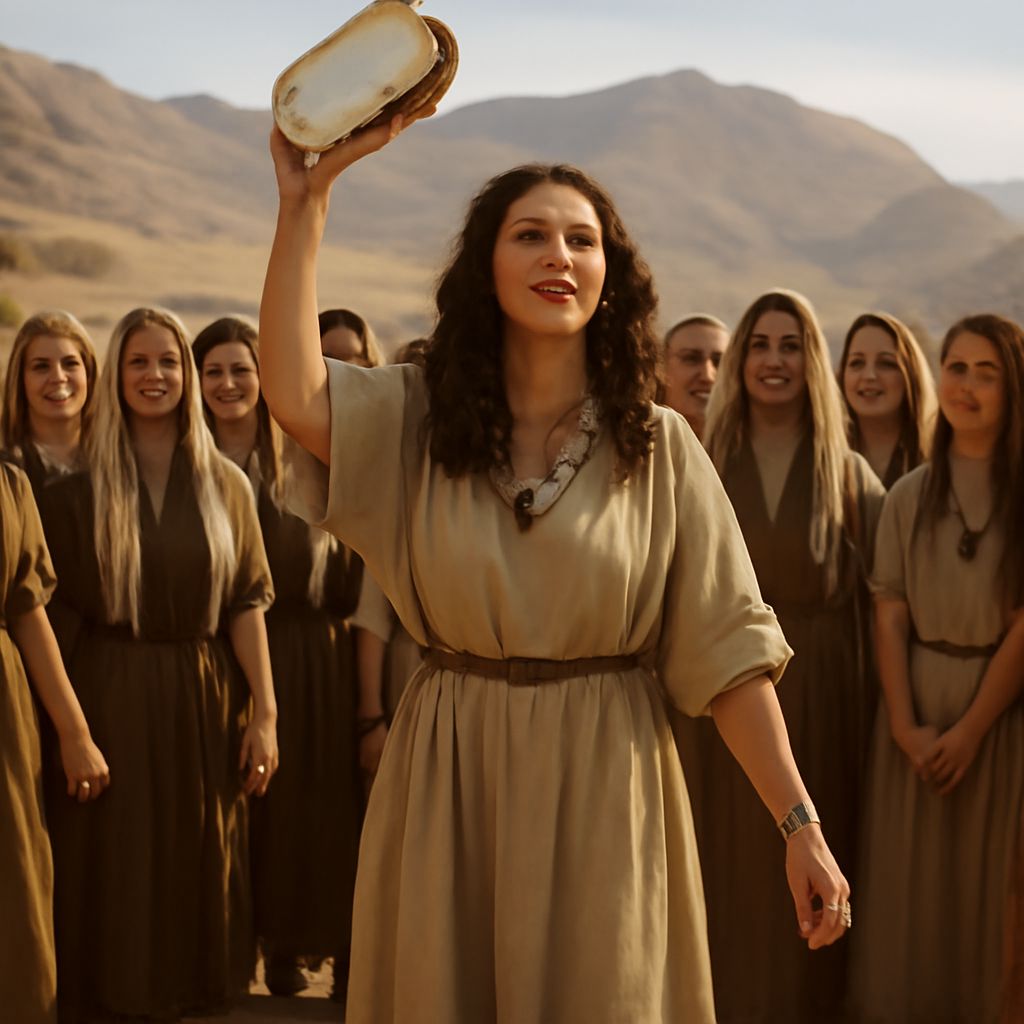




Miriam in the Bible: Sister, Prophet, and Leader
The biblical story of Miriam follows a prophet and sister of Moses from the song at the sea to a family conflict and her lasting place among Israel’s leaders.