 T.R. Maxwell
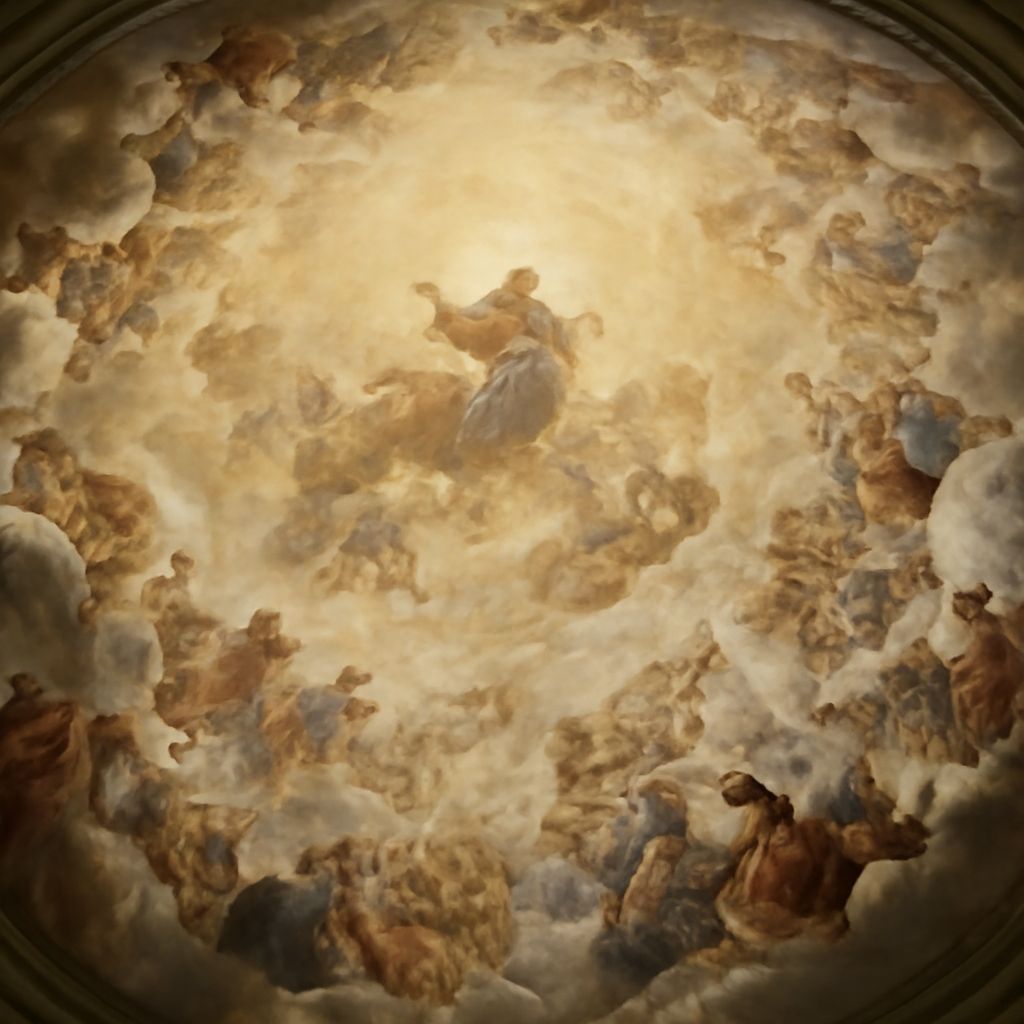
In 1 Thessalonians 4:17, Paul describes living believers being “caught up” in the clouds to meet the Lord. For readers asking whether the Bible describes a rapture, this is the clearest place to begin. It also helps answer where Scripture speaks about believers being gathered: Paul connects that meeting with the resurrection of those who have died in Christ.
Is the rapture mentioned in the Bible? If the question concerns the English word in the King James Version (KJV), the answer is no: that translation uses “caught up” in 1 Thessalonians 4:17. The scene of believers meeting the Lord is present in the passage, while Christians interpret its meaning and its place in the sequence of Christ’s return differently.
Where Does the Bible Talk About the Rapture and a Gathering?
1 Thessalonians 4:13–18 addresses people grieving fellow believers who have died. Paul describes the Lord descending, the dead in Christ rising first, and those still alive being caught up together with them. His instruction at the end is to comfort one another with these words. The passage gives the gathering a pastoral purpose: the dead are not forgotten, and the community’s hope includes them.
Where does the Bible talk about the rapture beyond Thessalonians? Another passage often read alongside it is 1 Corinthians 15:51–52. Paul says that not all will die, but all will be changed, and he describes the dead being raised at the last trumpet. The chapter focuses on resurrection and the transformation from mortality to immortality. It does not itself describe believers meeting the Lord in the air, as the Thessalonians passage does.
For another account of gathering, Matthew 24:30–31 describes the Son of Man coming with power and glory and sending angels to gather his elect. Readers who ask where the Bible describes the rapture often compare this scene with Paul’s account. Both mention a trumpet and a gathering, though interpreters differ on how the passages relate to each other.
The Word and the Translation
Is rapture in the Bible as an idea? For those looking for the idea of rapture in Scripture, the description in Thessalonians gives a clear textual basis for speaking of believers being caught up to meet Christ. Whether that scene is part of a distinct event before a period of tribulation is a further interpretation, built by reading several passages together.
In the King James Version (KJV), the English word “rapture” does not appear. In 1 Thessalonians 4:17, the KJV instead says “caught up.” The English term is associated with the Latin rendering of the verb for being seized or carried away. A search for the modern label and a reading of the scene can therefore produce different answers: the label is absent from this translation, while the action it names is described in the passage.
Why Christians Read the Passages Differently
The Assemblies of God, a Pentecostal denomination, teaches that the church will be caught up before the Great Tribulation, a period of intense trouble, and that Christ’s visible return with his people follows. In this reading, the gathering and the later visible return have distinct places in the expected sequence. Its statement points to passages including 1 Thessalonians 4:17–18 and Matthew 24:30.
The Catholic Catechism, by contrast, speaks of a final trial before Christ’s coming in glory and of a final judgment. It does not present a prior removal of the church as a separate stage. The difference affects how a reader places the gathering alongside suffering, resurrection, and judgment; it does not erase the words of 1 Thessalonians from either reader’s Bible.
These are not the only Christian approaches to the biblical basis for a rapture. Some Protestant interpreters connect the meeting in the air with Christ’s public return, rather than placing it before a distinct tribulation. When examining passages about the rapture in Scripture, a reader comparing interpretations can ask which passages each approach joins and what sequence it sees in them. The texts share themes, but each has its own immediate setting and emphasis.
For a closer reading, compare 1 Thessalonians 4:13–18, 1 Corinthians 15:51–52, and Matthew 24:29–31 in the KJV. Notice what each passage says about gathering, resurrection, and Christ’s coming, then distinguish those words from the conclusions a tradition draws when it places the passages together.






Free Large Print Bible by Mail: Where to Start
Find a Bible in larger print at no cost and compare mail options, type sizes, request limits, and practical questions to ask before sharing an address.