 T.R. Maxwell
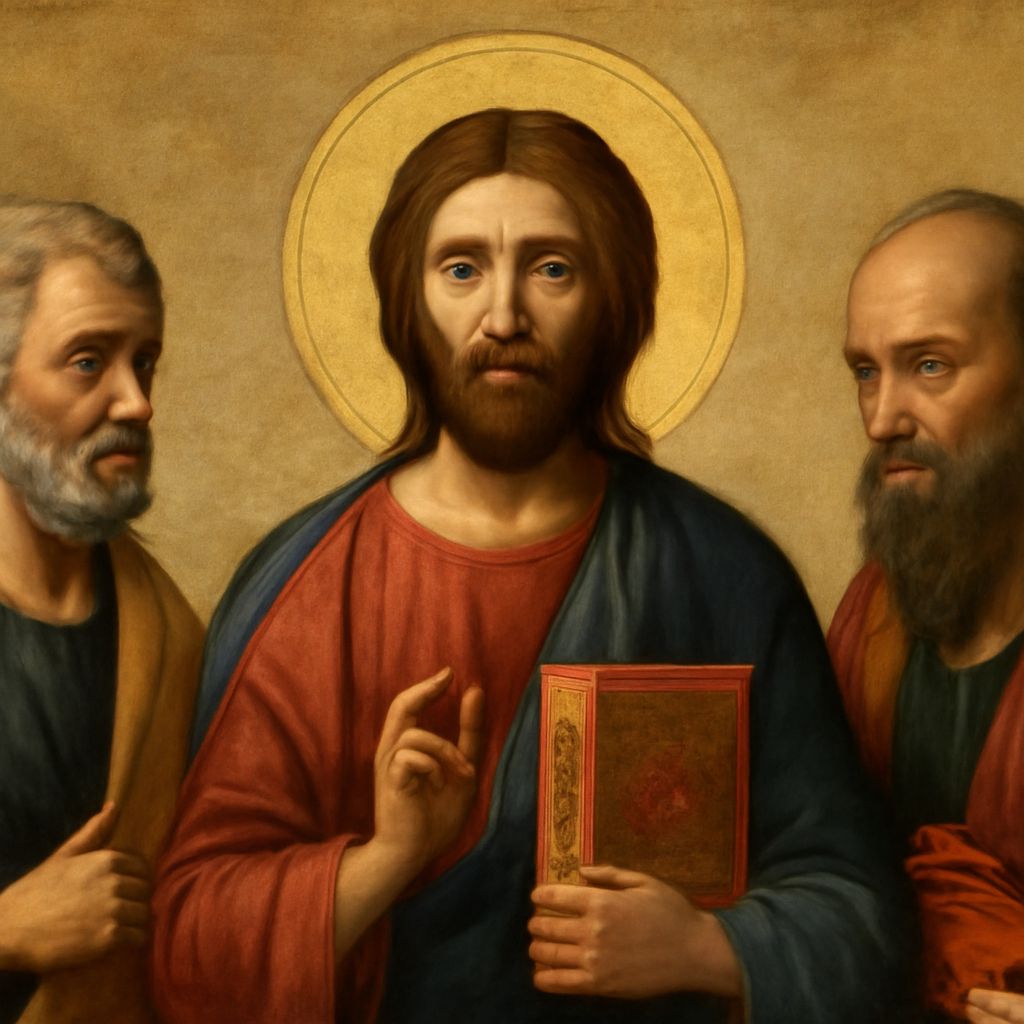
On a journey to Damascus, a man named Saul set out to pursue followers of Jesus; according to Acts, he arrived unable to see after an encounter that changed his course (Acts 9:1–9). That scene is an entry point for readers asking who Paul was in the Bible: he became an apostle, or messenger, who helped establish communities of believers across the eastern Roman world.
Paul’s story in the Bible continues through his travels and his letters to those communities. Together they show how an early Christian movement spread across cities and how its members debated what faith in Jesus meant for their lives.
Who is Paul in the Bible and how did he become an apostle?
Paul was a first-century Jewish follower of Jesus, known earlier in Acts as Saul of Tarsus. Acts identifies him as a Pharisee and a Roman citizen (Acts 22:3, 25–28). The narrative uses both Saul and Paul for him in Acts 13:9; it does not say that Jesus changed his name on the road.
Acts describes Saul persecuting believers before a light from heaven interrupts his journey. He hears Jesus speak, loses his sight, and is helped in Damascus by a disciple named Ananias. After his sight returns, he is baptized and begins proclaiming Jesus (Acts 9:1–22).
Paul gives a shorter account in his own letter to the Galatians. He acknowledges persecuting the church and says God revealed his Son to him so that he would preach among the Gentiles, people outside the Jewish community (Galatians 1:13–16). He then says he went to Arabia and returned to Damascus before visiting Jerusalem three years later (Galatians 1:17–18). Acts provides a dramatic narrative; the letter emphasizes his calling and independence as a messenger. Reading both allows each source to speak in its own terms.
Journeys and new communities
Acts follows Paul and companions through places including Cyprus, Asia Minor, Macedonia, and Greece. In Philippi, for example, Paul meets Lydia, who receives the message and offers hospitality (Acts 16:11–15). In Corinth he stays and works with Priscilla and Aquila, fellow tentmakers, while teaching in the city (Acts 18:1–11).
These journeys matter because they connect the spread of the message with particular people and places. Paul did not travel alone: coworkers, hosts, and local believers helped sustain the communities he visited. Acts also records opposition, imprisonment, and disputes, showing that the movement’s expansion involved conflict as well as welcome.
In the Bible, Paul eventually appeals to Caesar after his arrest, and Acts follows his voyage to Rome (Acts 25:10–12; 27–28). The book ends with him living under guard there and receiving visitors, rather than narrating the end of his life (Acts 28:16, 30–31). Later Christian tradition holds that he was executed in Rome; that account comes from beyond the ending of Acts.
Why the letters matter
Travel was only part of Paul’s work. Letters allowed him to teach, encourage, and respond to disagreements when he was away. They preserve conversations with actual communities as well as arguments that became central to Christian thought.
In Galatians, he argues that Gentile believers need not adopt circumcision to belong to God’s people (Galatians 5:2–6). In 1 Corinthians, he addresses divisions and describes love as essential to the exercise of spiritual gifts (1 Corinthians 1:10–13; 13:1–13). Romans develops his account of faith, sin, and God’s righteousness at greater length (Romans 1:16–17; 3:21–26).
Thirteen New Testament letters bear Paul’s name. Scholars generally agree that seven are his own, while authorship of the others is debated. Knowing who Paul is in biblical history therefore involves distinguishing his letters from writings attributed to him, just as it involves reading Acts as a narrative about him. For Paul, the Bible also preserves evidence of relationships: greetings to coworkers in Romans 16 show a network of people behind the familiar name.
Where should a reader begin?
A Paul Bible study can start with Acts 9 for the Damascus account, then turn to Galatians 1–2 for Paul’s own explanation of his calling. Read them side by side to see the storyteller’s scene and the letter writer’s argument. For readers still asking “Who is Paul in the Bible?” Acts 16–18 and 1 Corinthians 13 offer a broader view.








Bible Verses About Living Life With Purpose: Context and Meaning
Biblical passages on purpose speak to exiles, communities, and individuals. Compare their settings and see how context shapes the way each can be read.