 T.R. Maxwell
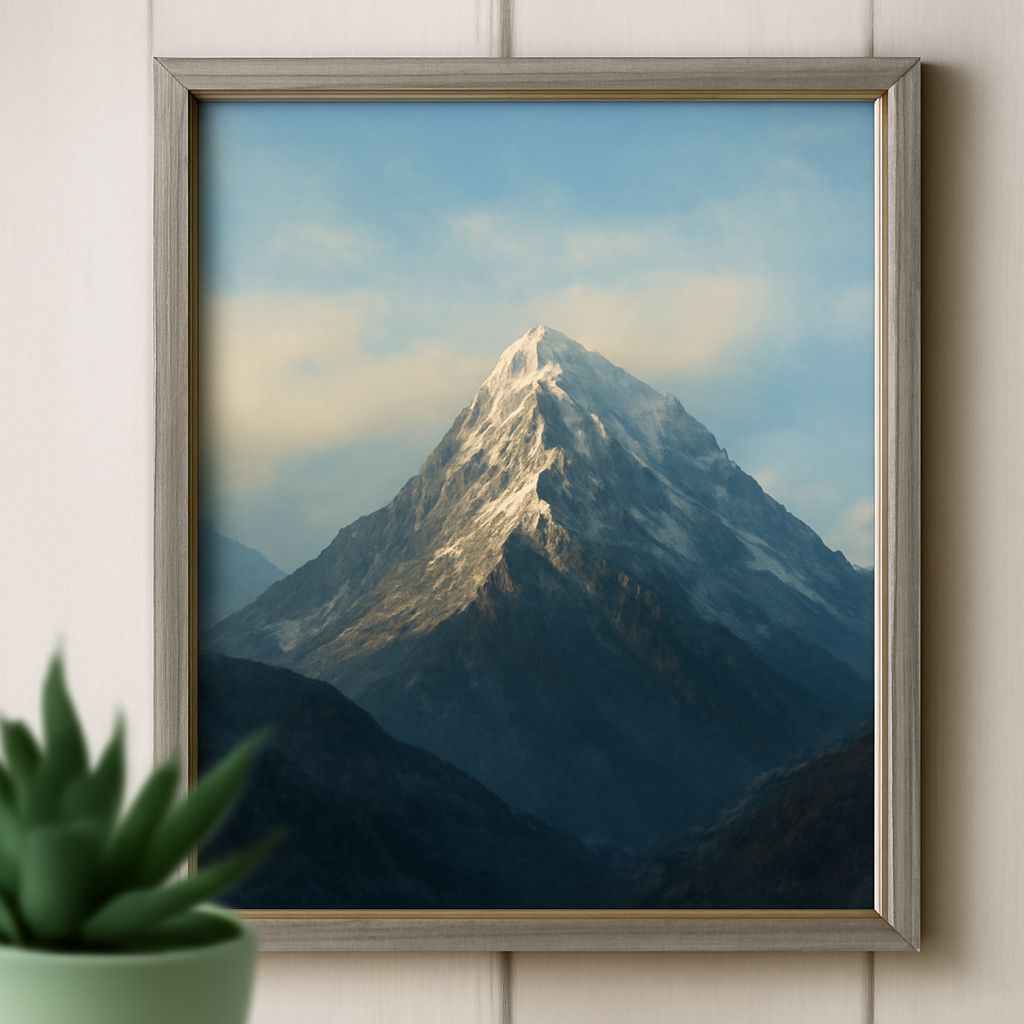
Are mountains in the Bible actual places or symbols? They can be either, depending on the passage. Sinai is the setting for an encounter in Exodus, while a mountain moved into the sea appears in a teaching of Jesus. Reading each scene in context keeps those roles distinct.
The following passages about mountains in Scripture include narrative, poetry, and teaching. The references identify the speaker and setting where the text supplies them, so a reader can explore the surrounding chapters as well as a single verse.
Bible verse about mountains in the Psalms
In Psalm 121:1–2, the speaker looks toward the hills and asks where help will come from. The answer points to the Lord, maker of heaven and earth. The psalm does not name a particular range or explain every reason for the speaker’s gaze; it continues as a poem about the Lord’s keeping and protection.
This Bible verse about mountains is part of a song, not a travel account identifying a summit. Readers interpret the hills and the question in different ways. What the text makes clear is the movement from the question toward the source of help named in the next verse. Reading the whole psalm shows how that assurance is developed.
A meeting at Sinai
Exodus 19:16–20 places the Israelites at Mount Sinai after their journey from Egypt. The narrator describes thunder, lightning, cloud, smoke, and the sound of a trumpet. The Lord descends upon the mountain and calls Moses to its summit.
The named mountain is a location within the account. The surrounding chapter explains the people’s preparations and boundaries before the encounter; the following chapter presents the commandments. Those details give the setting its role in the story: it is where the people gather and Moses receives the Lord’s words, not a generic image of any difficult climb.
When describing this mountain, Bible verses in Exodus use dramatic sensory details to convey the scene. The reader encounters them through the narrator’s account, while God and Moses speak within the larger exchange in chapters 19–20.
Elijah at Horeb
In 1 Kings 19:8–13, the prophet Elijah travels to Horeb, described as the mountain of God. He has fled after a threat to his life, and the narrative places him at a cave. The Lord tells him to stand on the mountain; a powerful wind, an earthquake, and fire follow, and the text says the Lord was not in those events. Afterward comes a quiet sound, rendered differently across English translations.
Elijah covers his face and stands at the cave entrance. A voice asks what he is doing there, and the conversation continues in verses 14–18. This scene pairs a named mountain with a dialogue and a sequence of events; readers may reflect on its meaning while keeping the account’s own words and order in view.
Teaching from a mountain
Matthew 5:1–2 introduces Jesus’ teaching commonly called the Sermon on the Mount. Seeing the crowds, Jesus goes up a mountain, sits down, and teaches his disciples. Matthew does not name the mountain in these verses.
The location establishes the scene for the teaching that follows through chapters 5–7. The opening sayings address those described as blessed, and the sermon goes on to discuss conduct, prayer, and relationships. The mountain here is the setting in the narrative, whereas the meaning of the individual sayings comes from what Jesus says and the wider discourse.
A mountain in figurative speech
In Mark 11:20–25, Jesus speaks to his disciples after they see a withered fig tree. He tells them to have faith in God and uses the striking image of a mountain being cast into the sea. The passage continues with teaching about prayer and forgiveness.
Among Bible verses about mountains, this example uses the mountain in speech rather than describing a climb or naming a destination. Christian readers interpret the image in different ways, often as an expression of faith in the face of what seems impossible. Its force belongs to Jesus’ teaching in Mark; it is not a prediction that a reader’s particular request will produce a particular result.
A story can place people on a named mountain, a psalm can use hills within a speaker’s question, and a teacher can invoke a mountain as a powerful image. Comparing those genres shows how the role of the mountain changes with the passage.

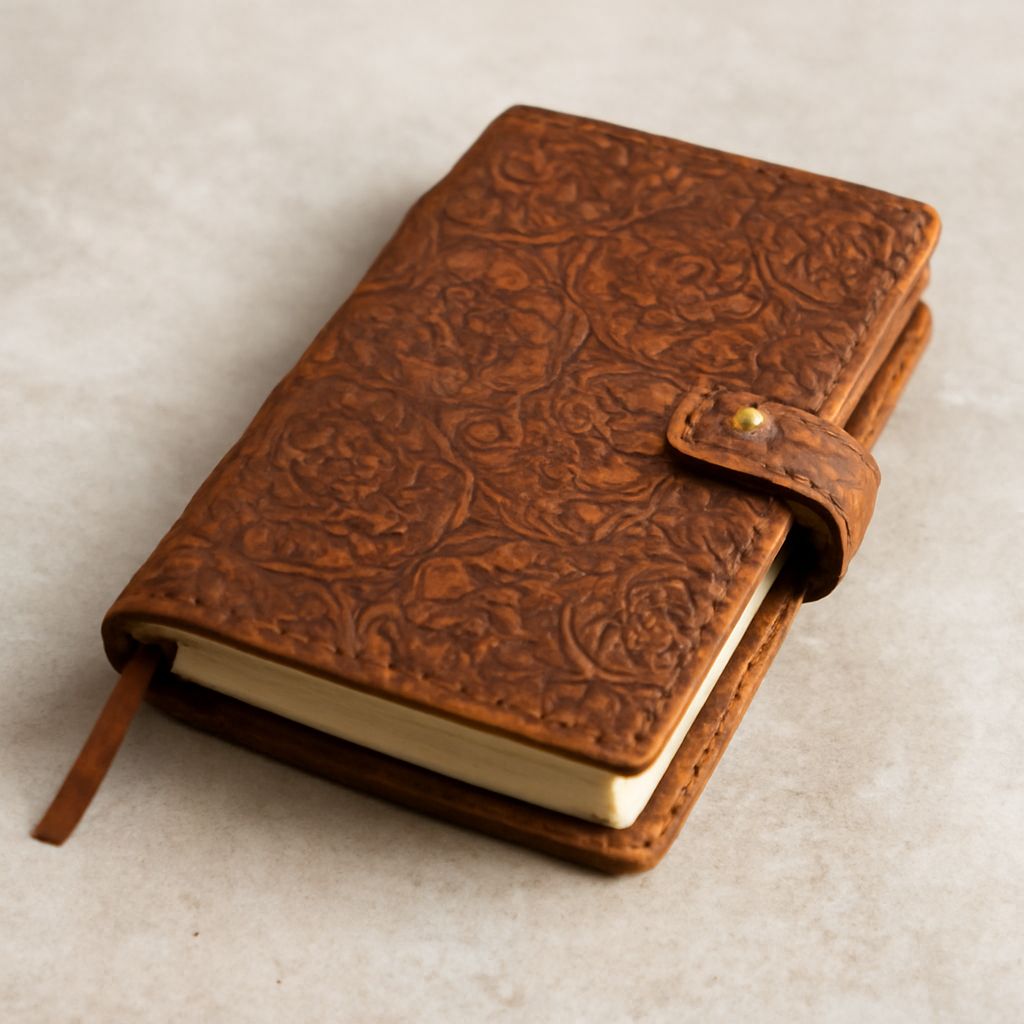


How to Choose a Bible Cover That Fits
Cases for a Bible come in many styles. Learn how to measure your book and compare closures, materials, and storage before choosing one for everyday use.