 T.R. Maxwell
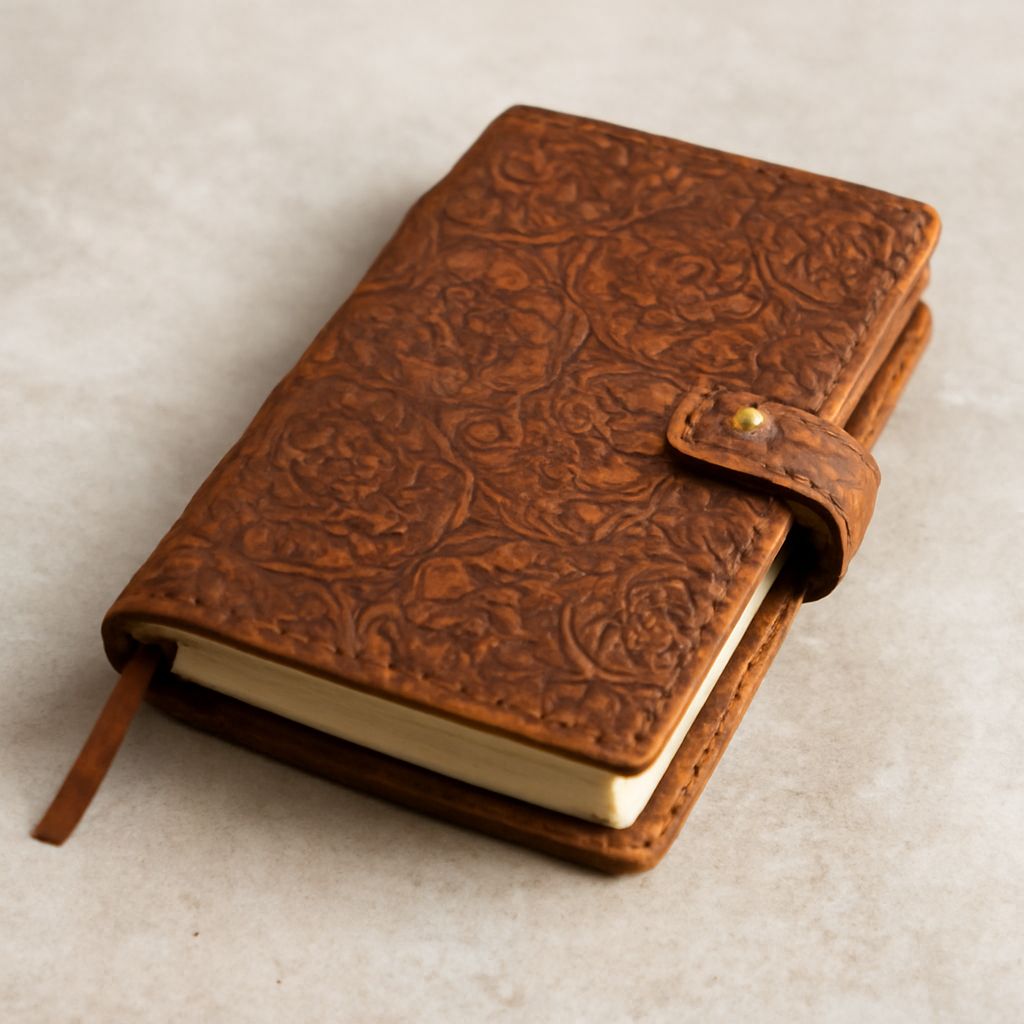
How can a protective cover be chosen for a Bible already on the shelf? Start with the book’s outside measurements, then match the closure and material to the way it will be carried and read. A cover for a Bible should fit comfortably around the closed volume without squeezing the binding or leaving too much room for it to slide.
A carrying case for a Bible also needs to suit the journey: a book kept at home has different needs from one packed into a crowded bag several times a week. Handles, pockets, and a zipper can be helpful, provided they do not make the book awkward to use.
Bible Case Measurements: Start With the Book
Measure the closed book in inches, including its existing hard or flexible cover. Record three dimensions:
- Height: from the top edge to the bottom edge.
- Width: across the front, from the spine to the outer edge.
- Depth: the thickness of the closed book, measured across the spine and at the outer edge if they differ.
Compare these measurements with the seller’s stated interior dimensions. Exterior dimensions include the case itself and may make the available space seem larger than it is. If only exterior measurements are listed, ask for the usable interior size before ordering. Check all three dimensions; a book that matches the height may still be too thick for the closure.
A bible case should have enough clearance for the book to go in and come out easily. Allow a little room for the cover material and any attached tabs, but avoid a loose fit that lets the volume move around. Manufacturers use size labels differently, so a measurement is more reliable than a label such as “medium.”
Match the Closure to the Journey
Zippered bible cases enclose the page edges and help keep loose notes together. They are convenient for a commute or a bag shared with other items. A zipper that travels around three sides can also make the book easy to open; check that it moves freely without catching pages, ribbons, or tabs.
A wraparound cover with a strap or snap gives quicker access and may feel less bulky. It can be a good choice for a Bible carried by hand between home and a study group. Open edges, however, leave more of the pages exposed inside a crowded backpack. A simple slip-on cover protects the outside binding during use, while the open page edges remain accessible.
For a frequently carried volume, a sturdy handle can make a difference. Check how the handle is attached and whether the closed cover stays balanced when lifted. A removable shoulder strap may be convenient for a larger book, but its clips and length should suit the person carrying it.
Choose Material for Everyday Use
Fabric is often light and available in washable or wipe-clean options, depending on its construction. A padded fabric sleeve can soften everyday bumps, though its cleaning instructions and thickness should be checked before purchase. Canvas may feel substantial while remaining flexible enough to pack into a bag.
Leather and synthetic leather offer a structured surface that can be wiped according to the maker’s instructions. Leather can develop marks with use and may need conditioning; synthetic materials vary in flexibility and care requirements. Neither material should be treated as waterproof simply because its surface looks smooth: seams and closures can still admit moisture.
A bible book cover with a lining can reduce rubbing against an existing binding. For an older or delicate volume, look for smooth interior surfaces and avoid a tight fit. If the original cover is already damaged or fragile, a book conservator can advise on support before it is handled repeatedly.
Check Access and Storage
Some designs have inner sleeves that hold the front and back boards in place, allowing the book to open while protected. Others work as a carrying pouch for the Bible, so the volume is removed before reading. A person who reads in short sessions may prefer the first; someone using a large study Bible at a desk may prefer a pouch that stays out of the way.
A bible holder with pen loops and pockets can keep a notebook and study materials together. Test whether filled pockets press against the pages or make the zipper difficult to close. If notes, highlighters, or a reading plan travel with the book, include their bulk when assessing space.
Choose a bible cover by combining the measured fit with the main use. For daily travel in a full bag, a snug zippered design with a handle may be practical. For reading mostly at home, a lighter sleeve or wrap with easy access may be enough. In either case, the book should open naturally and the closure should work without pressure on its pages.





Bible verses about mountains: places, poetry, and faith
Mountain passages in Scripture move from named places to poetry and vivid teaching. Explore the speakers, settings, and context behind five selections.