T.R. Maxwell
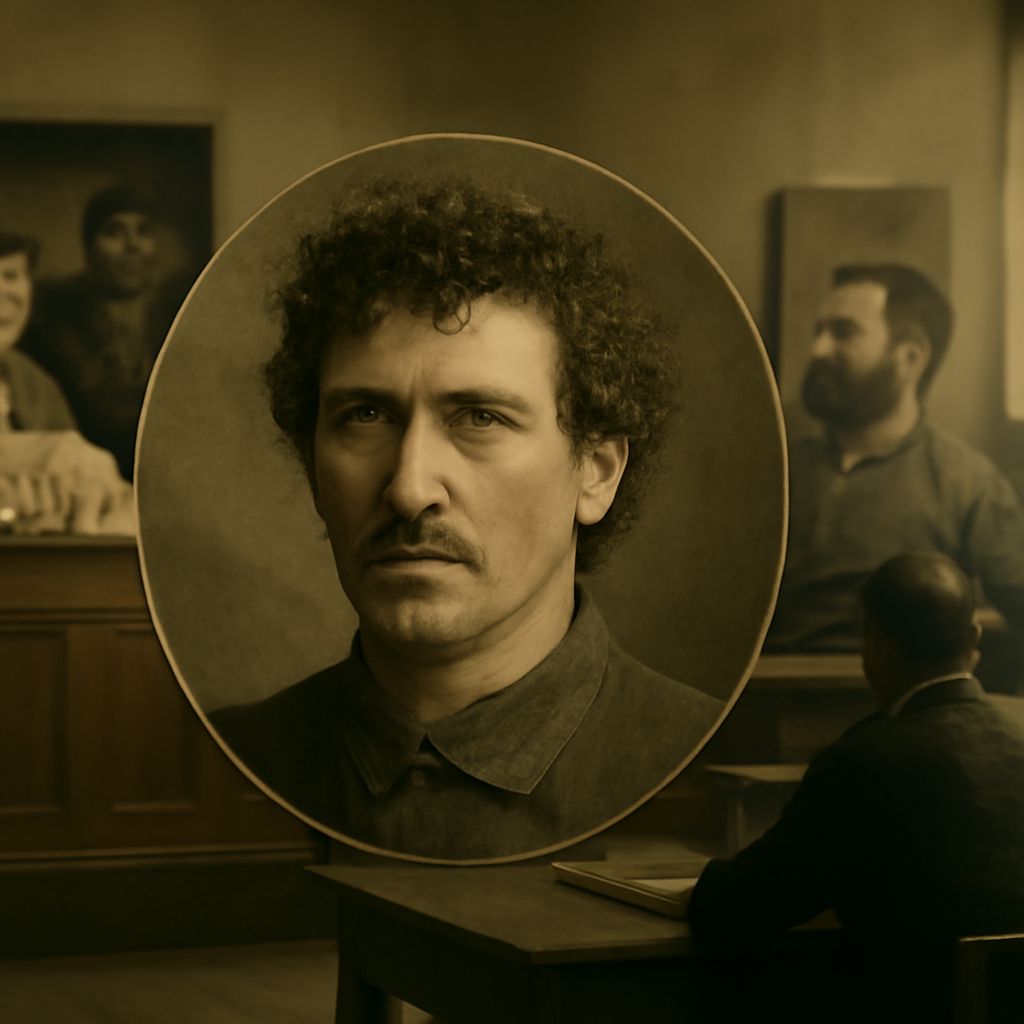
What is it about Jack the Ripper crime scene photos that continues to draw us in, more than a century after the Whitechapel murders? These images, along with rare Jack the Ripper victim photos and the broader collection of Jack the Ripper pictures, offer a rare visual record of Victorian London’s darkest chapter. For many, these haunting photographs are not just relics—they are chilling glimpses into unsolved mysteries, the lives of the victims, and the enduring legend of history’s most infamous serial killer.
Today, the legacy of Jack the Ripper endures in countless documentaries, books, and online forums, yet nothing quite captures the public’s imagination like the original Jack the Ripper crime scene photos. By examining these historic images, we seek not only to understand the crimes, but also to confront the grim realities of a bygone era. The following sections explore the circumstances that led to these notorious murders, the reasons for our ongoing fascination, and the lasting impact these images have had on both popular culture and the ethics of true crime engagement.
The historical context of Jack the Ripper’s murders
In 1888, the Whitechapel district of East London was a place marked by poverty, overcrowding, and frequent violence. It was against this backdrop that a series of brutal murders occurred, ultimately attributed to an unknown assailant who came to be known as Jack the Ripper. The victims, all women and mostly sex workers, were found mutilated in the dark, labyrinthine alleys of Victorian London. The lack of modern forensic techniques and rudimentary policing methods left investigators with little more than eyewitness accounts and the physical evidence captured in early crime scene photography.
At the time, the concept of documenting a crime scene through photographs was still relatively new. Yet, the Jack the Ripper crime scene photos taken by police and medical examiners became crucial in preserving the circumstances of the murders. These images allowed law enforcement and the public to glimpse the brutality of the crimes. The stark black-and-white photographs, showing both the locations and the victims themselves, would ultimately form a visual dossier of the Ripper’s reign of terror.
The gruesome nature of the Jack the Ripper victim photos, such as those of Mary Jane Kelly and Annie Chapman, shocked Victorian society. Newspapers quickly seized upon both written descriptions and these rare images, fanning public anxiety and fueling ongoing speculation about the killer’s identity. The preservation of these pictures ensured that the story of Jack the Ripper would persist long after the trail went cold, allowing future generations to analyze and interpret the crimes anew.
Today, historians and true crime enthusiasts study the Jack the Ripper pictures not only to attempt new theories but also to better understand the social dynamics and investigative limitations of the period. The photos serve as a tangible link to a time when fear and mystery gripped an entire city, forever etching Jack the Ripper into the annals of criminal history.
Why Jack the Ripper crime scene photos captivate the world
The enduring fascination with Jack the Ripper crime scene photos stems from their unique role in bridging the gap between myth and reality. Unlike mere illustrations or sensational headlines, these photographs provide undeniable, physical evidence of the violence that occurred. For many viewers, the images feel almost cinematic, lending a disturbing authenticity to the well-known tales of fog-shrouded streets and shadowy figures.
Part of the global intrigue lies in the mysteries that surround the Jack the Ripper case. The identity of the killer remains unresolved, and the photographs have become essential resources for both amateur sleuths and professional researchers. These Jack the Ripper crime scene photos invite viewers to scrutinize every detail, from the positions of the bodies to the objects scattered at the scenes, in the hope of uncovering a long-lost clue.
Social media and modern technology have amplified the reach of these images. Online forums and true crime communities often revisit and analyze Jack the Ripper victim photos with the same intensity as police investigators once did. The desire to connect with the past, combined with curiosity about the darker aspects of human nature, ensures that these photos remain in constant circulation and discussion.
Media coverage, documentaries, and museum exhibitions frequently include these chilling Jack the Ripper pictures, fueling an ongoing dialogue about both the original crimes and their cultural impact. As a result, the photographs serve as both historical documentation and a focal point for debate about the ethics of displaying such sensitive material.
Examining Jack the Ripper victim photos and their impact
Jack the Ripper victim photos remain some of the most unsettling visual records in the history of crime. These images document not only the violence of the attacks, but also the vulnerability and humanity of the victims. By putting faces to the names—such as Mary Ann Nichols, Elizabeth Stride, and Catherine Eddowes—the photos force viewers to confront the real people behind the headlines.
When studying Jack the Ripper victim photos, it’s clear that they have shaped public empathy and outrage across generations. Early publications that reproduced these images sparked intense debates about the boundaries of taste and decency. Some argued that the photos served as important evidence, helping both police investigations and public awareness; others viewed them as a troubling invasion of privacy and dignity.
Even today, viewing these Jack the Ripper pictures can be a deeply affecting experience. Museums and online galleries often provide content warnings to prepare visitors for the graphic scenes. The emotional impact of these historical photographs is compounded by the knowledge that the murders were never solved, leaving an open wound in the collective memory of true crime enthusiasts.
Scholars and psychologists note that examining the victim photos can foster empathy, but they also caution against desensitization and voyeurism. For those experiencing distress or triggered by graphic content, professional support or guidance from a licensed therapist is recommended.
How Jack the Ripper pictures have shaped modern true crime
The legacy of Jack the Ripper pictures extends far beyond the Victorian era. These early crime scene photographs laid the foundation for the visual language of modern true crime storytelling. Documentaries, podcasts, and books regularly reference or reproduce these historic images, using them to establish mood, context, and credibility.
Jack the Ripper crime scene photos introduced the idea that visual evidence could contribute to both criminal investigations and public engagement. Today’s forensic photography and techniques owe much to these pioneering efforts. Modern investigators rely on detailed images to reconstruct events, while audiences expect to see crime scenes visually documented in high-profile cases.
In popular culture, the influence of Jack the Ripper victim photos is evident in the rise of “Ripperology” and the continuing fascination with unsolved cases. Online sleuths pore over digital copies of Jack the Ripper pictures, sharing theories and discoveries with a worldwide community. These interactions feed a broader interest in true crime, encouraging ethical debates about the use of sensitive materials and the boundary between education and entertainment.
The enduring power of these images lies in their dual role as both historical records and cultural icons. They provide a window into the evolution of criminal investigation, and they challenge audiences to consider the human stories that lie behind even the most notorious crimes.
Ethics and engagement: The fascination with these haunting images
Jack the Ripper crime scene photos raise important ethical questions about public engagement with true crime. On one hand, these images serve as valuable historical references that can educate, inform, and memorialize the victims. On the other, they risk sensationalizing tragedy and infringing upon the dignity of those who suffered.
Responsible viewing and sharing of Jack the Ripper victim photos require a balance between curiosity and compassion. Many museums and online platforms approach these sensitive materials with care, including context and warnings for potentially distressing content. Engaging with Jack the Ripper pictures can be part of a thoughtful exploration of history, but it should always consider the impact on families, communities, and society as a whole.
As the true crime genre continues to grow, the legacy of Jack the Ripper’s images prompts ongoing reflection about our relationship to violence, suffering, and unresolved mysteries. For those seeking to delve deeper, consulting academic research or attending museum exhibits can provide a more nuanced understanding. Above all, viewers should approach these photos with respect for both the victims and the lessons history has to offer.
Key takeaways: Jack the Ripper crime scene photos, victim photos, and related pictures offer a profound glimpse into one of history’s most enduring mysteries. Their impact persists in both forensic science and popular culture, challenging us to balance curiosity with ethical responsibility. When engaging with such images, a respectful and empathetic approach honors the victims and the lessons their stories continue to teach.