T.R. Maxwell
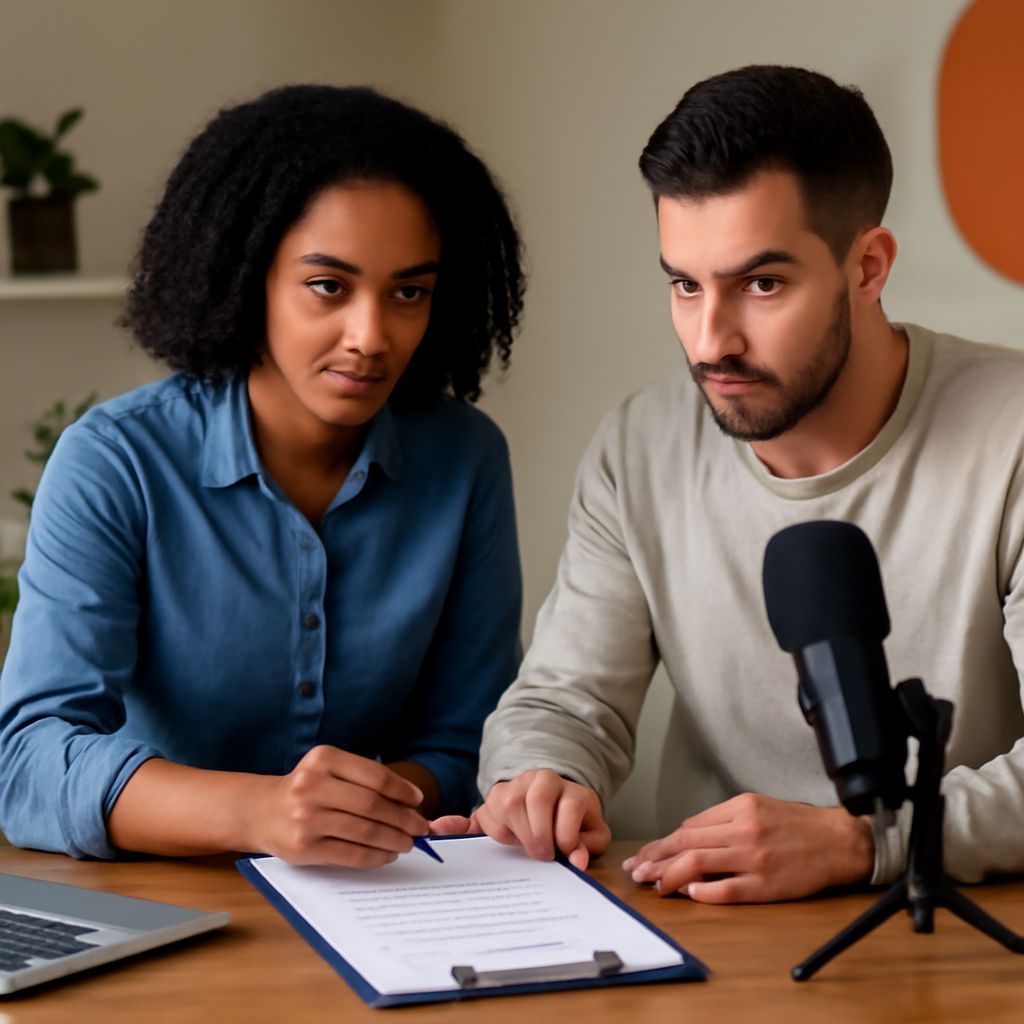
What does it take to create a first audio show worth hearing? Begin with one listener and one question that matters to that person, then build a short pilot around a clear answer. A quiet room, a workable recording method, and a modest release plan are enough to test the idea.
Start a Podcast With a Listener in Mind
Imagine someone who would choose this show during a commute or while doing the dishes. What does that person already know, and what would make the next 15 minutes worthwhile? A show about local history, for example, might help residents understand the stories behind familiar streets. A first episode could trace the history of one neighborhood landmark.
Write a one-sentence promise: who the show serves, what it covers, and what listeners can expect to take away. List five possible episodes. If the subjects all sound like versions of the same conversation, broaden the angle; if they seem unrelated, narrow it. This small exercise makes the idea easier to sustain beyond the first recording.
Choose a format that fits the work
How do you start a podcast when time and equipment are limited? Choose a format that can be produced consistently: a solo explanation, an interview, or a conversation with a co-host. A solo episode gives one person control of the schedule; interviews bring other voices but require invitations, preparation, and coordination.
Set a target length and a realistic cadence based on the time available for research, recording, and editing. A 15-minute episode every two weeks may be more manageable than an hour every week. Decide who will handle each task and agree on a process for approving the finished audio.
Plan and record a pilot
How should the first audio show take shape? Sketch the first episode as a sequence: an opening that tells listeners what they will learn, two or three main points, and a closing thought. Write transitions or questions rather than a script for every word, unless reading is central to the format. For an interview, research the guest and share the topic and practical arrangements in advance.
For the neighborhood-history example, the pilot could open with the landmark’s present-day role, move through two verified moments from its past, and end with a question for residents. Gather sources for the claims, and obtain permission for any music or other material that requires it. Reserve time to check names and pronunciations.
Record a short test in a quiet, furnished room. A phone or basic microphone can work for a pilot; place it consistently near the speaker, listen through headphones, and adjust if the voice is faint or distorted. Silence notifications and record several seconds of room sound. Save a backup before editing, especially when a guest cannot easily return.
Edit, listen, and revise
Cut long pauses, distracting noises, and passages that repeat a point. Keep enough natural breathing and conversational rhythm for the result to sound human. Balance the voices so a listener does not have to change the volume repeatedly, and listen to the exported file from beginning to end on ordinary headphones or speakers.
A pilot is a rehearsal for the whole process. Give it to one or two people who resemble the intended audience and ask where their attention wandered, what confused them, and what they wanted to hear next. Note how long production actually took. Use that feedback to revise the opening, shorten a section, or change the schedule before committing to a series.
Prepare the release
Another early decision when creating the show is where the audio will live. A podcast host stores the files and can create an RSS feed, a machine-readable listing that listening apps use to find the show and its episodes. Compare storage limits, costs, distribution options, and the ability to move the feed later. Separate guides to podcast hosting and feed publication can help with those detailed choices.
Prepare a show name, description, cover art, and an episode title and summary that tell a prospective listener what to expect. Submit the feed to the listening services selected for the audience, allowing time for their checks. For example, Apple explains its submission and review process. Check that the show and its audio appear correctly before announcing the release.
To decide how to launch a podcast episode, schedule the finished file, share a direct listening link with the intended audience, and invite a specific response to its central question. Record the release date and the next production deadline in the same calendar. If you are still at the idea stage, write the one-sentence promise for the show and list five possible episode topics.