T.R. Maxwell
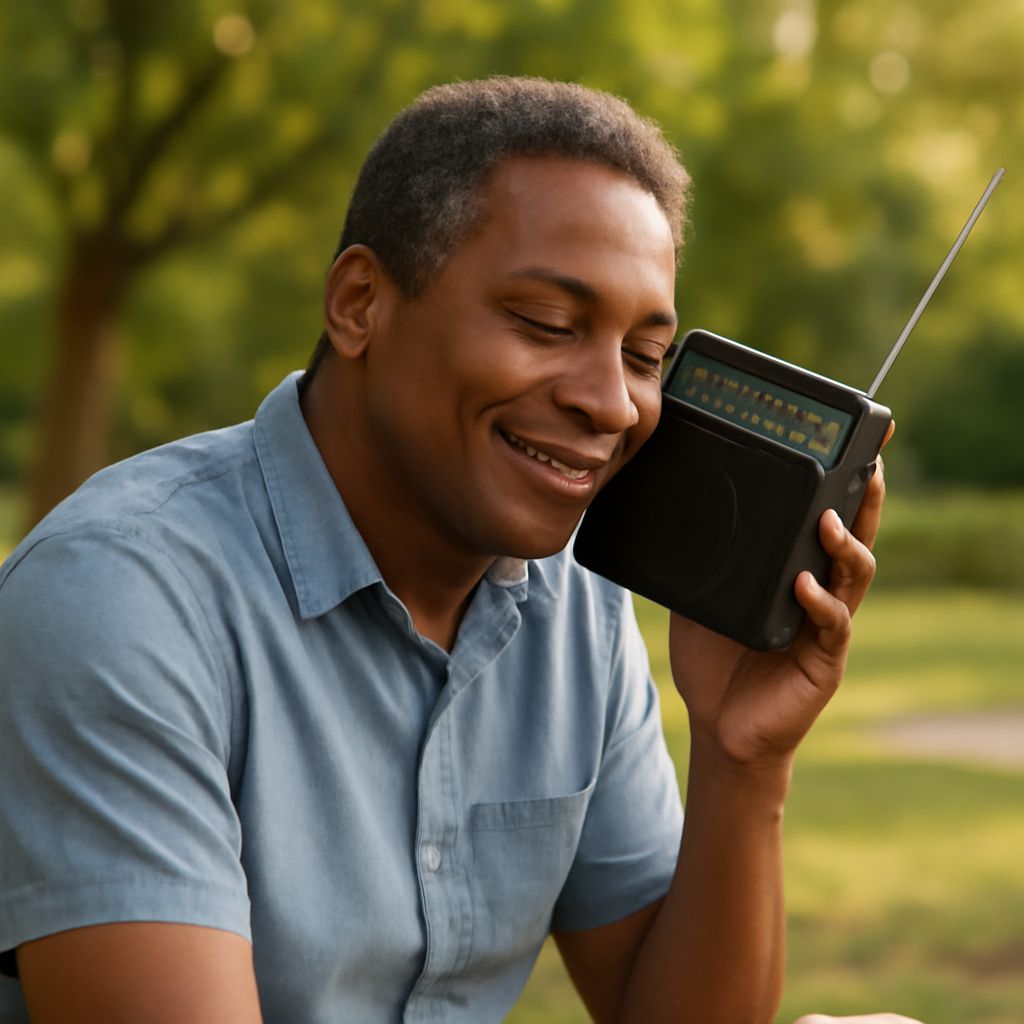
Where can listeners hear the pop, soul, and early rock records they remember—or discover them for the first time? Stations playing older hits include local FM broadcasters and internet streams, with playlists that span different decades. A listener seeking an old-school station can start by checking the years it emphasizes, then choose a radio frequency or an online player.
The station descriptions and listening options below were checked on November 9, 2026. Formats and schedules can change, so the current playlist or program guide is helpful when looking for a particular era or show.
Old School Radio Station Choices to Try
These oldies radio stations offer several ways into older popular music. Their own descriptions provide a starting point for comparing the mix:
- Oldies 97.3, WSWO-LP: This volunteer-run community station in the Dayton, Ohio, area plays music from the 1950s, 1960s, 1970s, and beyond, including both well-known hits and less familiar records. Listen locally on 97.3 FM or select the desktop player or Listen link on Oldies 97.3’s website. Its local hosts and programs give the station a community-radio character.
- OLDIES 24 7: This online channel’s official Live365 page identifies it with 1950s and 1960s music. Open the player on that page to sample its stream. It is a useful first stop for listeners who want to focus on those earlier decades without needing a nearby transmitter.
- The Bronc Retro, WRRC2: Rider University’s online companion station draws from the 1950s through the 1990s, including pop, Motown, and soul. To hear its broad mix, visit The Bronc Retro and select WRRC2 in the Listen Live player. Its online stream runs around the clock, and its programming can move well beyond the earliest oldies years.
For an old school radio station with a local signal as well as a stream, WSWO-LP offers both. For a listener outside Dayton, its website provides another way to hear the same station. The online channels are available through their players without tuning an FM dial.
What “Oldies” and “Golden Oldies” Mean
The labels are flexible. Oldies often refers to familiar popular records from earlier decades, but one station may concentrate on the 1950s and 1960s while another includes a broader span. The mix can include early rock and roll, vocal groups, pop, soul, and other music that reached listeners through records and radio. Classic rock concentrates on rock music, while classic country centers on country; an oldies playlist can cross those genre boundaries to bring together popular songs from its chosen era.
Golden oldies radio commonly suggests an emphasis on particularly familiar songs from the earlier rock-and-roll era. It is a descriptive label rather than a fixed rule about dates or artists. A station’s own list of decades and its recently played songs tell a listener more about the actual selection than the label alone.
For example, someone who likes doo-wop and early rock and roll may prefer a stream identified with the 1950s and 1960s. A listener who also enjoys 1970s pop and soul may prefer a broader station. An oldies but goodies radio station may combine both periods, so listening to several songs reveals how heavily its selection favors each decade.
How to Listen and Compare
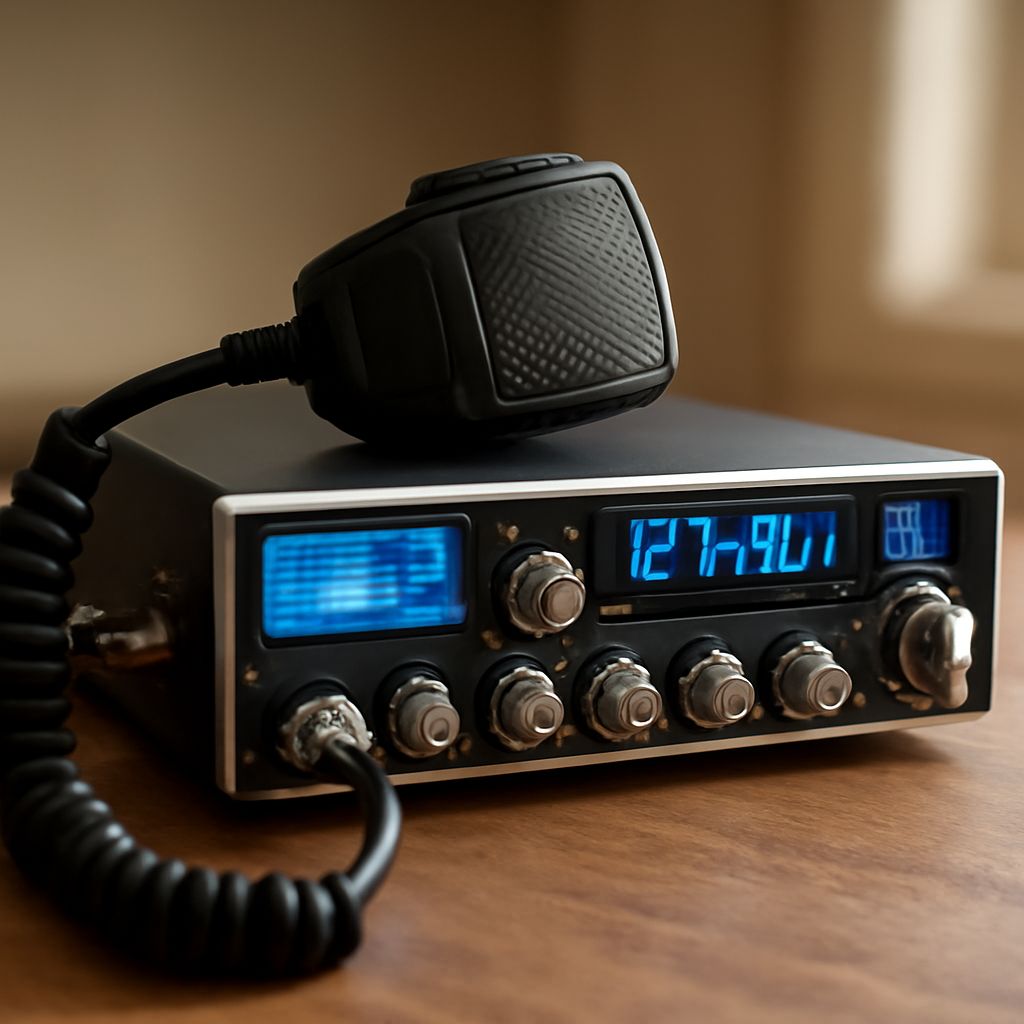
An FM station can be heard on a home or car radio within its coverage area. Reception depends on location, buildings, terrain, and the receiver’s antenna. For a reliable preset on a regular route, tune in during a typical drive and check whether the signal stays clear.
Online listening opens a wider selection. On a computer or phone, follow the station’s official Listen or Live365 player link and press play. A phone using cellular service may consume mobile data; a Wi-Fi connection provides another option. If audio does not start, check the player’s volume and the device’s connection before trying again.
When comparing radio oldies, give each stream enough time for several songs. Notice the decades represented, the balance of familiar hits and lesser-known tracks, and whether the presentation includes hosts or local features. A schedule can reveal specialty shows that differ from the station’s usual mix.
For earlier rock-and-roll and vocal-group listening, begin with OLDIES 24 7’s 1950s–1960s focus. Choose WSWO-LP for a wider early mix and a Dayton FM option, or Bronc Retro for a stream spanning more decades. The best choice is the one whose playlist fits the desired era and whose listening method fits the day.