T.R. Maxwell
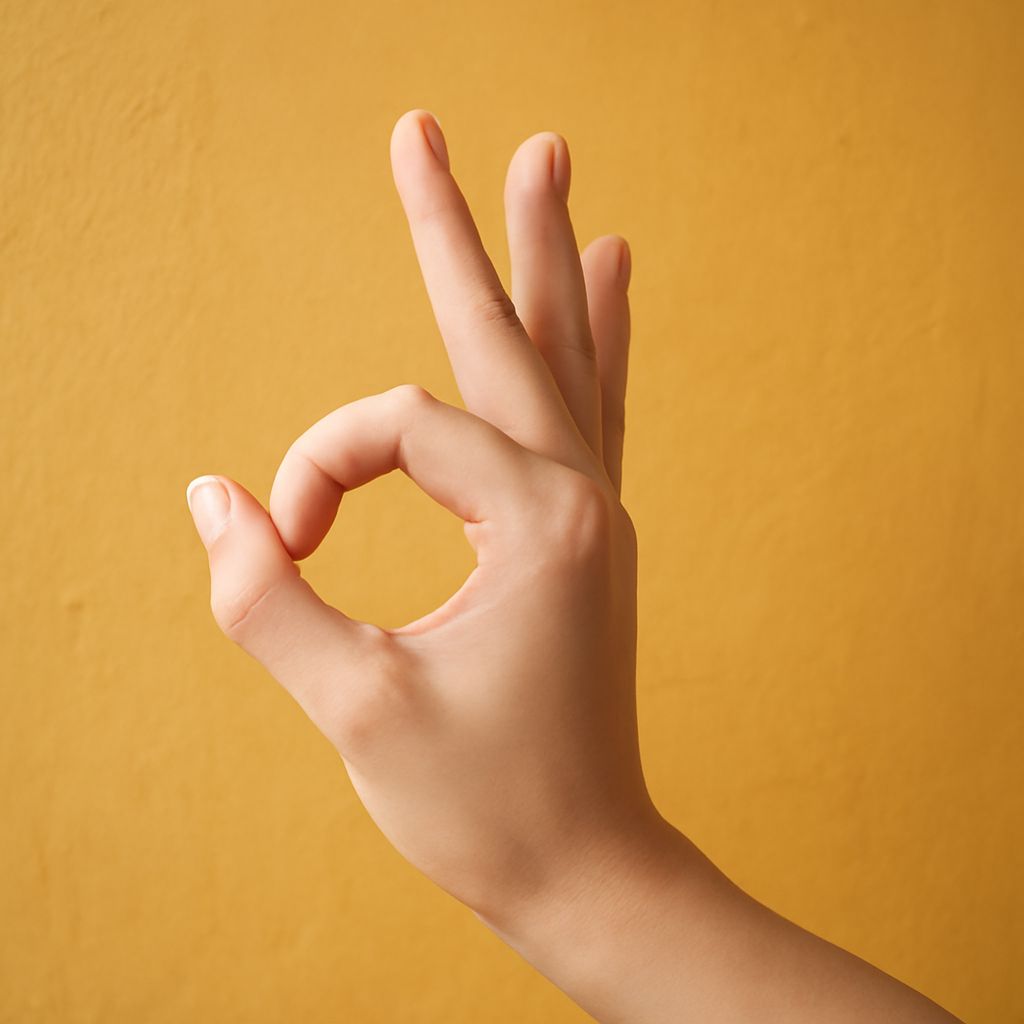
Why has the okay hand symbol, once a simple gesture of approval, become a subject of controversy? What was once an innocuous sign, universally understood as a symbol of agreement, is now tangled with accusations of racism and propaganda. In recent times, conversations around racist hand gestures have intensified, highlighting the role of media in spreading misinformation and altering public perceptions.
As society grapples with the implications of these symbols, understanding their evolution is crucial. This article delves into the history of the okay hand symbol, its association with racism, and how media contributes to the spread of misunderstandings.
The history of the okay hand symbol
The okay hand symbol has a long-standing history as a sign of approval or agreement. Its origins are not entirely clear, but it has been widely recognized across different cultures. In the United States, it gained popularity in the mid-20th century as a non-verbal cue, representing the word “okay” with the thumb and forefinger forming a circle.
Over time, the gesture became synonymous with positivity and consent. However, as with many ubiquitous symbols, interpretations began to vary. In some countries, similar gestures might hold different, even offensive meanings, illustrating the complexity of non-verbal communication.
How the okay hand symbol became associated with racism
The transformation of the okay hand symbol into a so-called “racist hand gesture” is a recent phenomenon. It began as a hoax on online forums, where users suggested that the symbol could represent “white power.” This was intended to provoke reactions and spread confusion. Unfortunately, the joke took a sinister turn as extremist groups began using it earnestly, injecting it with racist undertones.
This shift demonstrates how easily symbols can be appropriated and redefined by different groups. What started as an internet prank quickly escalated into a real-world controversy, sparking debates on intent and interpretation.
Media’s role in spreading misconceptions
The influence of social media
Social media platforms have played a significant role in amplifying the misconception of the okay hand symbol. Algorithms favor content that generates engagement, including controversy and sensationalism. As a result, posts depicting or discussing the symbol in a negative light spread quickly, reaching large audiences who may not verify the information.
This rapid dissemination can fuel misinformation, leading to widespread belief in the symbol’s new, false meaning. The viral nature of such content underscores the importance of critical consumption of online media.
Traditional media coverage
Traditional media outlets are not immune to the allure of sensational stories. The rebranding of the okay hand symbol as a “racist hand gesture” has been covered extensively, sometimes without sufficient context. While these reports aim to inform, they can inadvertently contribute to the spread of misinformation if not carefully balanced with factual history and expert insights.
Understanding the media’s influence is crucial in discerning fact from fiction, especially when symbols are involved. News consumers should remain cautious and seek diverse sources to form well-rounded perspectives.
Recognizing and combating propaganda
Propaganda thrives on manipulating symbols and spreading false narratives. In the case of the okay hand symbol, recognizing how it has been co-opted is the first step in combating these deceptive tactics. Educating oneself and others about the history and true meanings of such gestures can reduce the power of misinformation.
Furthermore, fostering media literacy is essential. By developing skills to critically analyze content and question sources, individuals can become more resilient against propaganda and misinformation. Encouraging discussions that challenge unfounded claims helps maintain clarity and truth in public discourse.
In situations involving complex interpretations or severe consequences, consulting experts, such as sociologists or licensed professionals in communication, can provide clarity and guidance.
Safety recap: When navigating the impact of symbols like the okay hand symbol, be mindful of their potential to spread misinformation. Always verify facts with reliable sources and consult experts for nuanced understanding, especially when symbols intersect with sensitive issues like racism and propaganda.