T.R. Maxwell
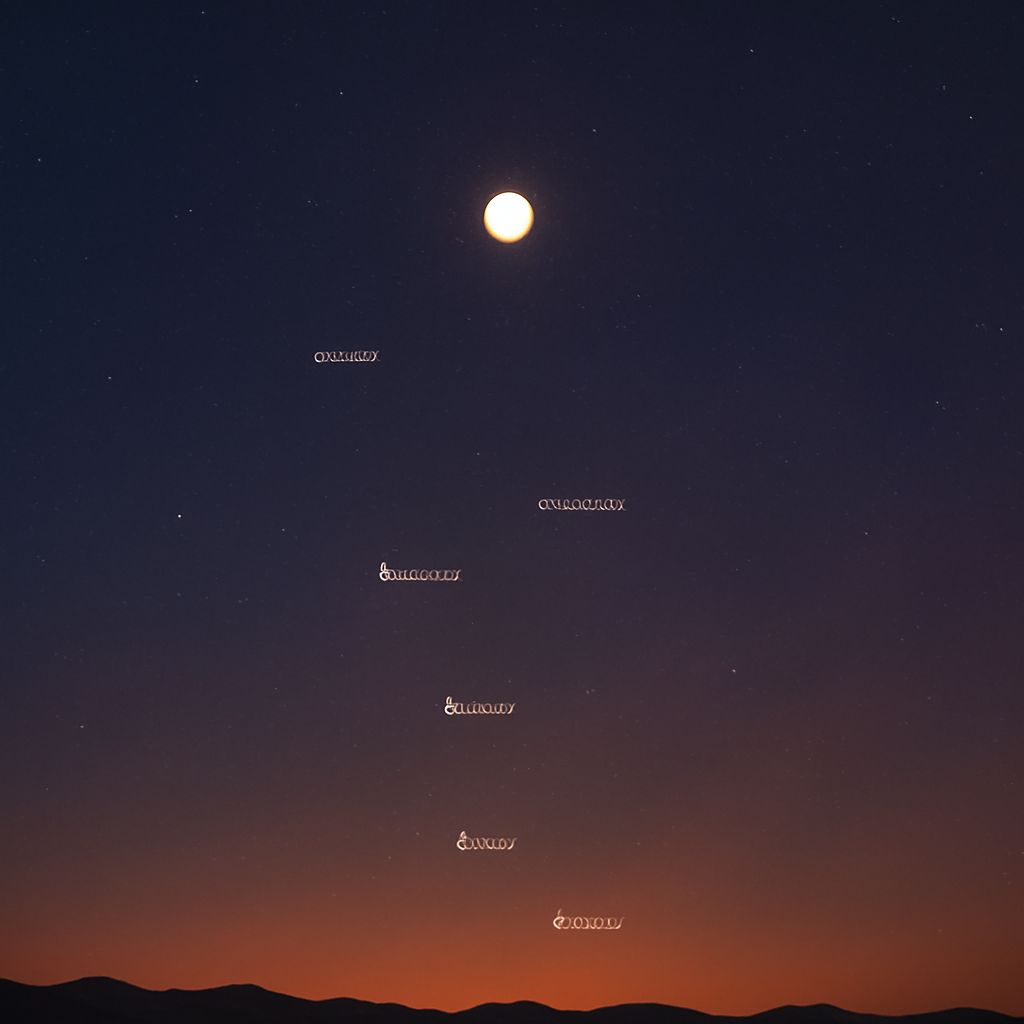
When did you last look up and wonder if the planets lined up in the night sky? Events like planetary alignment have captivated humanity for centuries, inspiring countless articles, documentaries, and social media posts. The sight of several bright points clustered together often prompts renewed curiosity about the cosmos and how often such spectacles occur. From scientific explanations to cultural interpretations, the phenomenon of planets lining up remains a popular subject in both astronomy circles and general media.
The term “planetary alignment” is used widely, but what does it really mean, and when have these planets lined up in ways that are both astronomically significant and visible to the naked eye? This article explores the science behind planetary alignment, why and how these occurrences happen, memorable moments from history, media coverage, and practical tips to enhance your stargazing experience.
What is planetary alignment?
Planetary alignment refers to the apparent gathering of two or more planets along a similar region of the sky from our viewpoint on Earth. While the phrase may conjure images of all planets in a perfect line, actual alignments are less precise. In most cases, the planets appear grouped closely together along the ecliptic—the apparent path the Sun takes across the sky—making them seem lined up to observers below.
Understanding planetary alignment starts with the realization that the planets orbit the Sun in roughly the same plane. From Earth’s perspective, this shared path means that planets often appear close together, particularly during certain times when their orbits bring them to similar positions. A true alignment in three-dimensional space is exceedingly rare; most often, what we see is a visual effect known as a conjunction, where planets cluster in a small portion of the sky.
Throughout history, the phrase “planets lined up” has been used to describe these visual groupings. Astronomers prefer more precise terms, distinguishing between conjunctions, groupings, and syzygies (when three or more celestial bodies align). Yet, for many stargazers and in general media coverage, the phrase planetary alignment captures the sense of wonder such events evoke.
These alignments have long been considered special, both scientifically and culturally. Whether marking calendar events or inspiring mythology, the sight of multiple bright planets together continues to fascinate people worldwide.
Why do planets line up in the sky?
The reason planets line up is rooted in the laws of orbital mechanics. All the major planets in our solar system travel around the Sun along elliptical paths that are only slightly tilted relative to each other. This shared orientation means that from Earth, planets often appear to travel along the same general path—the ecliptic—creating the opportunity for them to cluster visually at certain times.
As each planet takes a different amount of time to complete its orbit, their relative positions from our viewpoint are constantly shifting. When two or more planets arrive at similar longitudes in the sky, they seem to align. This can happen with any combination of planets, although the most dramatic alignments involve the brighter, closer worlds like Venus, Mars, Jupiter, and Saturn. The phrase “planets lined up” reflects this optical illusion as seen from our vantage point, not a physical row in space.
Partial alignments, known as conjunctions, occur much more frequently than complete lineups of multiple planets. Even so, it is rare to see more than three or four planets tightly grouped together. Larger planetary alignment events, where five or more are visible at once, have significant gaps of decades or even centuries between them.
Astronomers note that planetary alignment is largely a matter of perspective. No gravitational anomalies or special cosmic events result from these lineups. The phenomenon is, at heart, a reminder of the predictable elegance of our solar system’s clockwork motions.
Famous moments when planets lined up
Throughout history, there have been several occasions when planets lined up in a way that drew worldwide attention. One of the most notable was the alignment of March 1982, when five planets—Mercury, Venus, Mars, Jupiter, and Saturn—appeared clustered together in the predawn sky. Though not a perfect straight line, this planetary alignment was visible to the naked eye and sparked significant public and media interest.
Another celebrated event occurred in May 2000, when a rare grouping of Mercury, Venus, Mars, Jupiter, and Saturn occurred. This time, however, the proximity of the Sun made the planets difficult to observe. The event nonetheless prompted widespread discussion in both scientific and general media communities, underscoring the enduring fascination with the idea of planets lined up across the sky.
Partial alignments involving just two or three planets, such as the close conjunctions of Venus and Jupiter, happen much more frequently. These events, while less rare, still draw crowds of observers, especially when they are easy to spot after sunset or before sunrise. The recurring nature of these planetary alignments ensures they remain a steady source of inspiration for astronomers and stargazers alike.
Historically, some believed these alignments forecasted important events or changes. Today, astronomers use them to engage the public, encouraging a greater appreciation of the universe’s orderly complexity.
How planetary alignment is covered in media
In the age of instant information, planetary alignment events are often announced and discussed widely across general media. News outlets, science blogs, and television programs frequently highlight when planets lined up are expected, sparking renewed interest in astronomy and skywatching. These stories are typically accompanied by viewing guides and background on the science of alignments.
Media coverage tends to emphasize the rarity and beauty of these events, sometimes using dramatic language or artistic renderings to capture public imagination. Key words like “planets lined up” and “planetary alignment” often headline articles, drawing in readers who may not normally follow astronomical news. This approach helps demystify the science and inspires people to observe these occurrences for themselves.
Social media platforms play a significant role in spreading awareness of upcoming alignments. Images and videos of the planets grouped together are widely shared, and live streams from observatories or amateur astronomers allow a global audience to take part. This broad exposure ensures that planetary alignment remains a popular and accessible topic for both experts and beginners.
As media attention grows around alignment events, there’s also increased emphasis on safety—advising viewers never to look directly at the Sun during daytime alignments and to use proper equipment for observation. Expert perspectives from astronomers and educators help maintain accurate, engaging coverage.
Tips for observing planetary alignment events
For those interested in witnessing planets lined up in the sky, a few practical tips can enhance the experience. The best views of planetary alignment typically occur shortly before dawn or just after sunset, when the planets are above the horizon but the sky is dark enough for them to shine brightly. A clear, unobstructed view to the east or west increases your chances of seeing these celestial gatherings.
Minimal equipment is required—most planetary alignment events are visible with the naked eye. However, binoculars or a small telescope can reveal additional detail, such as the phases of Venus or the moons of Jupiter. Using astronomy apps or star charts helps identify which planets are visible and where to look.
Patience is key, as weather conditions and light pollution can affect visibility. Checking local forecasts and finding a dark-sky location away from city lights will improve your chances. Many local astronomy clubs and observatories organize public viewing nights during significant alignments, providing guidance and shared enthusiasm.
Photographing the planets lined up requires a camera capable of manual settings and a tripod for stability. Early planning and consultation of reputable sources ensure you don’t miss these awe-inspiring moments.
Safety recap: When observing any planetary alignment, never look directly at the Sun, and always use proper eye protection if viewing near sunrise or sunset. For complex questions or specialized equipment advice, consult with a professional astronomer or your local observatory.