T.R. Maxwell
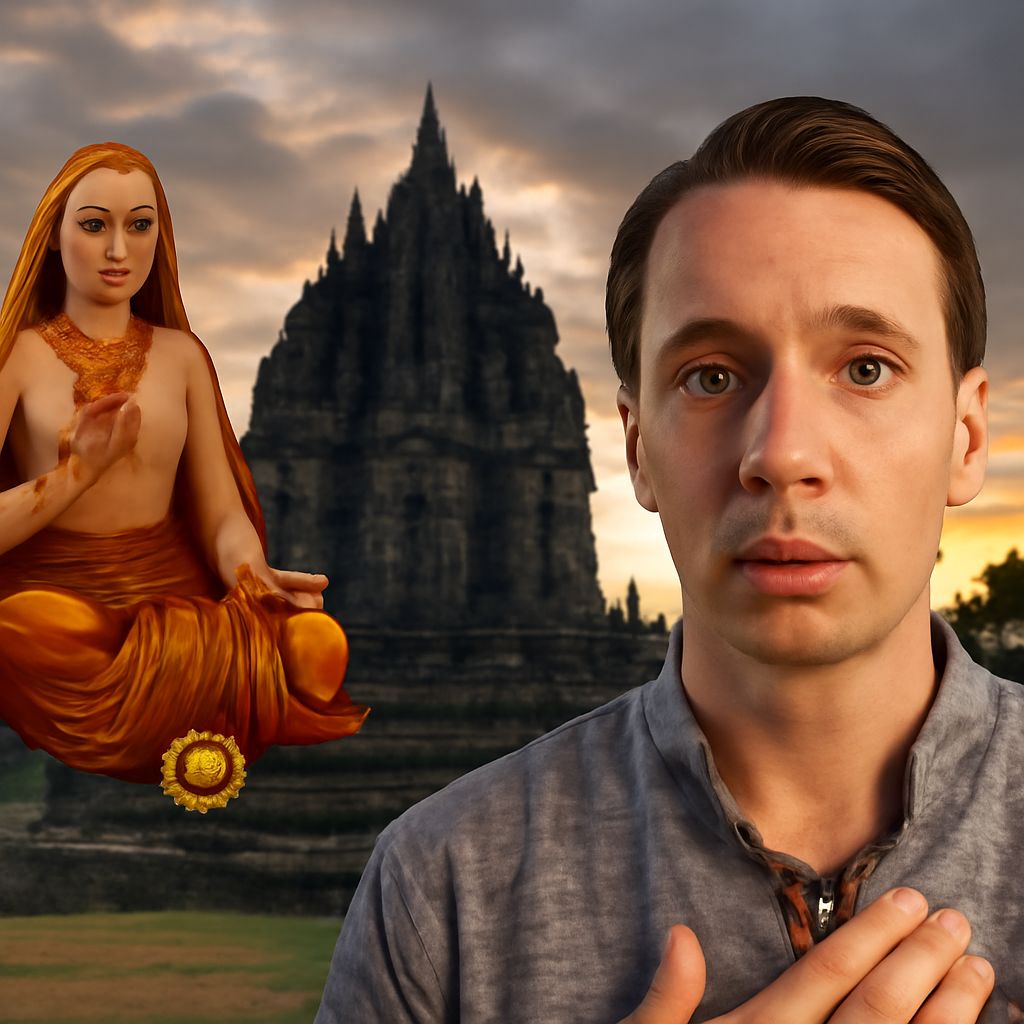
What does it truly mean to discover the self? Across centuries, seekers in India have turned to the idea of atman as a guiding answer. As central as it is profound, the question “what is atman in Hinduism?” continues to be a cornerstone of spiritual exploration, shaping both personal growth and cultural identity.
The concept of atman emerges at the heart of Hindu philosophy, yet its interpretations vary across different schools of thought. From ancient scriptures to modern discussions, atman has influenced not only religious practice but also art, literature, and popular media. Understanding its role provides insight into how individuals perceive themselves, their connection to the world, and the very nature of consciousness.
Defining atman: The core concept in Hindu thought
At its essence, atman refers to the innermost self or soul—a spark of consciousness that exists in every individual. The term is ancient, rooted in Sanskrit, and is perhaps most concisely translated as “self,” but this simple word belies its profound spiritual and philosophical dimensions. Atman is not merely the personality or ego but represents the unchanging, eternal aspect of a person—untouched by the ups and downs of daily life.
Within the context of Hindu philosophy, atman is considered separate from the body and mind. It is often described as the silent witness, the pure awareness behind all experience. This core self is said to remain constant, even as thoughts, emotions, and physical conditions change. Many sacred texts, including the Upanishads, focus on the realization of atman as the highest goal of spiritual practice—pointing toward liberation (moksha) from the cycle of birth and death.
Partial uses of the term, like “spiritual self” or “innate consciousness,” convey related ideas found in various teachings. These interpretations reinforce the concept that atman is distinct from fleeting attributes or external identities. In practice, this understanding encourages individuals to look inward, seeking a deeper and more consistent sense of who they truly are beneath the surface.
What is atman in Hinduism and why does it matter?
To answer the question, “what is atman in Hinduism?” is to examine both a philosophical foundation and a living tradition. Atman, in Hinduism, is the underlying reality of every being. It is the innermost essence that is uncreated, indestructible, and infinite. The Bhagavad Gita, a revered Hindu scripture, describes atman as that which is never born and never dies, highlighting its eternal nature.
This central idea has far-reaching implications. In daily life, the notion of atman shapes moral and ethical behavior, inspiring values such as compassion, respect for all living beings, and a sense of unity with others. Since every person is believed to share the same essential self, there is an emphasis on empathy and the interconnectedness of all life. The recognition of atman fosters spiritual discipline, encouraging meditation, self-inquiry, and practices that lead to deeper understanding and personal growth.
Paraphrases like “true self” or “core self” are often used in contemporary discussions to explore these themes. The pursuit of self-awareness and self-realization has become a guiding principle for many practitioners, offering tools for finding meaning and resilience in challenging times. By regularly reflecting on the question, “what is atman in Hinduism?”, individuals can cultivate a more balanced perspective and navigate the complexities of modern existence with greater clarity.
Atman and the relationship with Brahman
An essential aspect of understanding atman is its relationship with Brahman, the universal consciousness or ultimate reality in Hinduism. The phrase “atman is Brahman” captures a foundational teaching, especially emphasized in the Advaita Vedanta school. Here, atman is not just an individual consciousness but is fundamentally identical to Brahman—the infinite, unchanging reality underlying the universe.
This unity is explored in the Upanishads with statements such as “Tat Tvam Asi” (“You are That”), suggesting that the deepest self within each person is the same as the source of all existence. The journey toward realizing this truth is central to spiritual practice, moving beyond the illusion (maya) of separateness to experience oneness with all.
Other schools, like Dvaita Vedanta, distinguish between the individual self and the supreme reality, but all traditions acknowledge a profound connection between atman and Brahman. Related terms such as “divine self” and “cosmic consciousness” are used in modern philosophical discussions to express this relationship. Through meditation, study, and ethical living, seekers aim to experience this unity firsthand, transforming their understanding of self and world alike.
The evolution of atman in different Hindu philosophies
The interpretation of atman has evolved across Hindu schools of thought. In Advaita Vedanta, atman is seen as non-different from Brahman—making the realization of unity the highest goal. For the dualistic Dvaita school, atman retains a distinct identity, eternally separate from God, though always in a relationship of devotion. Vishishtadvaita, or qualified non-dualism, presents atman as a part of Brahman that maintains individuality yet remains part of a larger unity.
These philosophical debates have practical consequences. For instance, the path to self-realization in Advaita relies heavily on meditation and knowledge (jnana yoga), aiming to dissolve the illusion of separateness. In contrast, Bhakti traditions emphasize love and devotion, where atman finds fulfillment in a personal relationship with the divine. Karma yoga, the path of selfless action, addresses the self by encouraging detachment from results and focusing on serving others.
Terms like “individual soul,” “spiritual identity,” and “eternal self” recur in discussions about these varied philosophies. Each school offers its own roadmap to understanding atman, reflecting the rich diversity within Hindu traditions. By exploring these approaches, practitioners can find a path that resonates with their temperament and stage of life.
Contemporary relevance of atman in media and society
The concept of atman remains relevant in the modern world, appearing in films, literature, and even self-help movements. Media often explores themes of self-discovery, transformation, and the search for meaning through the lens of the self. Novels and movies inspired by Hindu philosophy frequently reference atman and what is atman in Hinduism, using these ideas to frame characters’ journeys toward authenticity and insight.
In today’s fast-paced society, the idea of an unchanging, secure inner self offers comfort amid constant change. Mindfulness practices, yoga, and meditation—many rooted in Hindu thought—encourage individuals to connect with their deeper identity. The popularity of these practices attests to the enduring influence of atman, even beyond traditional religious boundaries. Concepts such as “inner awareness” and “true identity” echo ancient teachings, helping new generations navigate personal and collective challenges.
Respect for cultural origins is vital when engaging with these ideas. For complex philosophical or psychological questions about selfhood, or when integrating spiritual practices into clinical therapy, consultation with qualified teachers, scholars, or licensed counselors is recommended. This ensures meaningful and respectful engagement with the profound legacy of atman in Hinduism.
Next steps: Deepening your understanding of atman can begin with self-reflection, reading sacred texts, or adopting mindfulness practices. Seek guidance from experienced teachers for advanced study or when facing complex spiritual questions, and remain open to exploring varied perspectives within the rich traditions of Hindu philosophy.