T.R. Maxwell
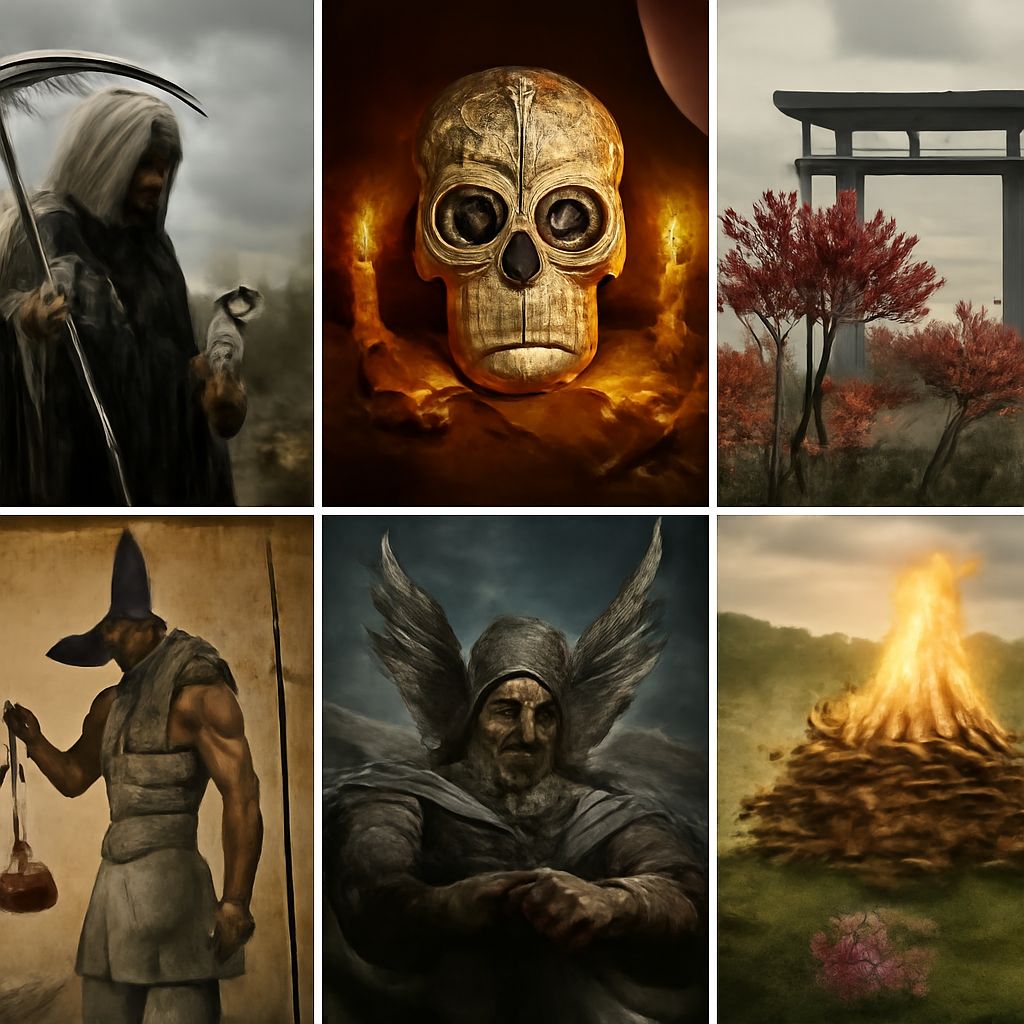
How do we express the concept of mortality, loss, and remembrance across the ages? The desire to understand and articulate death has inspired a rich tapestry of images and objects, each acting as a powerful symbol for death. In exploring these symbols, we encounter a fascinating array of things that symbolize death, as well as the various things associated with death that surface in memorials, literature, and daily life. Recognizing these motifs can deepen our appreciation of memorial practices and the thoughtful tributes found in obituaries, offering comfort and context in difficult times.
Symbols are not mere decorations; they carry deep meaning, shaping the way we commemorate and make sense of the end of life. By examining the symbol for death and its many manifestations, we gain insight into the shared language of grief and remembrance that unites people across cultures and generations. This understanding enriches the ways we honor loved ones and helps us navigate moments of loss with greater empathy and awareness.
The symbol for death across cultures
The symbol for death appears in various forms worldwide, reflecting both universal fears and culture-specific beliefs about mortality. One of the most widely recognized is the skull, often paired with crossbones. This image traces its lineage to ancient times and remains a potent warning of danger or mortality, used historically on pirate flags and modern-day hazard signs. In Western societies, the grim reaper — depicted as a skeletal figure wielding a scythe — also stands as a personification of death, a figure deeply embedded in the collective imagination.
Other cultures offer their own distinctive symbols that serve a similar purpose. In ancient Egypt, the ankh, though commonly seen as a symbol of life, was also associated with the afterlife and the transition through death. In East Asian traditions, the white chrysanthemum is used in funerary rituals, representing grief and farewell. Meanwhile, the owl, often linked to wisdom in some cultures, is viewed in others as an omen of death or misfortune. These cultural differences illustrate the wide variety of things that symbolize death, shaping rituals and memorials in unique ways.
Colors, too, play a significant role. While black is the color of mourning in many Western countries, white symbolizes death and spiritual transition in several Asian cultures. These choices are reflected in funeral attire, flowers, and other memorial objects, subtly communicating the presence of death without words. The continued use and evolution of the symbol for death remind us that every culture develops distinct ways to acknowledge and honor the end of life.
By appreciating these diverse symbols, we recognize how deeply embedded they are in both public rituals and private expressions of grief. Whether through ancient hieroglyphs, flowers, or somber colors, people find ways to visually mark death’s place in the human journey.
Common things that symbolize death in art and literature
Artists and writers have long turned to evocative things that symbolize death to convey mortality’s presence and significance. The hourglass, for instance, represents the passage of time and the finite nature of life. In still life paintings, especially from the vanitas tradition, skulls, extinguished candles, and wilting flowers serve as poignant reminders of life’s brevity. These objects invite reflection on the inevitability of death and the value of living with intention.
Literature, too, employs a rich vocabulary of symbols to evoke themes of loss and transition. Ravens and crows, for example, frequently appear in poetry and prose as harbingers of death or transformation, drawing on centuries of folklore. The use of the grave or tombstone as a motif underscores the permanence of death, while falling leaves or decaying fruit can subtly hint at the end of a cycle or the passage of a soul.
Music, theater, and even architecture contribute to this symbolic language. Funeral dirges often reference the river or the journey, echoing the ancient belief in passage to another world. Gothic arches and churchyard statuary use the things associated with death, such as angels or weeping figures, to create a mood of solemn remembrance. Through these creative expressions, societies find ways to confront mortality and offer solace to the bereaved.
These symbols are not chosen at random; they reflect shared anxieties and hopes, shaping our cultural understanding of death. When selecting motifs for artistic or literary memorials, consulting with professionals — such as experienced artists or writers — can ensure sensitivity and resonance, particularly when dealing with personal loss or public remembrance.
Things associated with death in modern memorials
Contemporary memorial practices continue to draw on long-established things associated with death while incorporating new symbols that reflect changing attitudes. Candles, for instance, are frequently lit in memory of the deceased, their gentle flame representing the continuation of spirit or the memory that lives on. Personalized objects, such as photographs, favorite belongings, or digital tributes, have become common at services and online memorials, offering unique ways to express individuality and remembrance.
Flowers remain a central feature, with lilies, chrysanthemums, and roses among the most popular choices. Each carries its own connotations; lilies suggest purity and peace, while roses can symbolize love and respect. The choice of floral arrangements often reflects both personal and cultural preferences, creating a space for healing and reflection. These living symbols remind mourners of the cycles of nature and the interconnectedness of life and death.
Memorial jewelry, such as lockets containing a loved one’s photograph or ashes, embodies the ongoing connection between the living and the departed. Stones engraved with meaningful dates or messages are placed at gravesites, serving as tangible links to memory. Digital memorials now play a significant role, enabling communities to share stories and condolences from afar. These new rituals make use of traditional symbols for death while adapting to the needs of modern families.
When planning personalized memorials, it can be helpful to consult with a licensed stylist or funeral director, especially when navigating complex wishes or cultural considerations. Their expertise ensures that symbols chosen are appropriate and meaningful, respecting both tradition and the individuality of the person being remembered.
Why recognizing the symbol for death matters in obituaries
Obituaries serve as both a record and a tribute, marking a life’s end with dignity and care. Recognizing the symbol for death within these notices helps readers understand the gravity of the moment and signals the transition from life to memory. Whether through explicit imagery or subtle language, such symbols guide mourners through the grieving process by offering context and a sense of shared experience.
Including things that symbolize death in obituary writing can provide comfort to families and friends. Familiar motifs, such as references to peace, light, or rest, gently acknowledge loss while honoring the deceased’s journey. Carefully chosen words and images create a respectful space for remembrance, allowing those left behind to grieve and celebrate a loved one’s legacy.
Obituaries may also highlight things associated with death that held special meaning for the departed — such as a beloved flower, a meaningful poem, or a cherished location. These personal touches foster connection among readers, reinforcing the sense that every life is unique and worthy of commemoration. Thoughtful use of death-related symbolism can transform an obituary from a mere announcement into a lasting tribute.
Writers and editors preparing obituaries should approach the use of death symbols with care. Consulting with families and, if uncertain, seeking advice from professionals ensures that chosen motifs are both appropriate and comforting. Sensitivity to cultural and religious traditions is especially important, as symbols for death can vary widely among communities.
Pro tips recap: Symbols for death, drawn from diverse cultures, art, and modern memorials, offer powerful ways to honor and remember loved ones. Thoughtful selection of these motifs in obituaries and memorials provides comfort, context, and lasting meaning. When in doubt, consult with professionals to ensure your chosen symbols reflect both respect and individuality.