T.R. Maxwell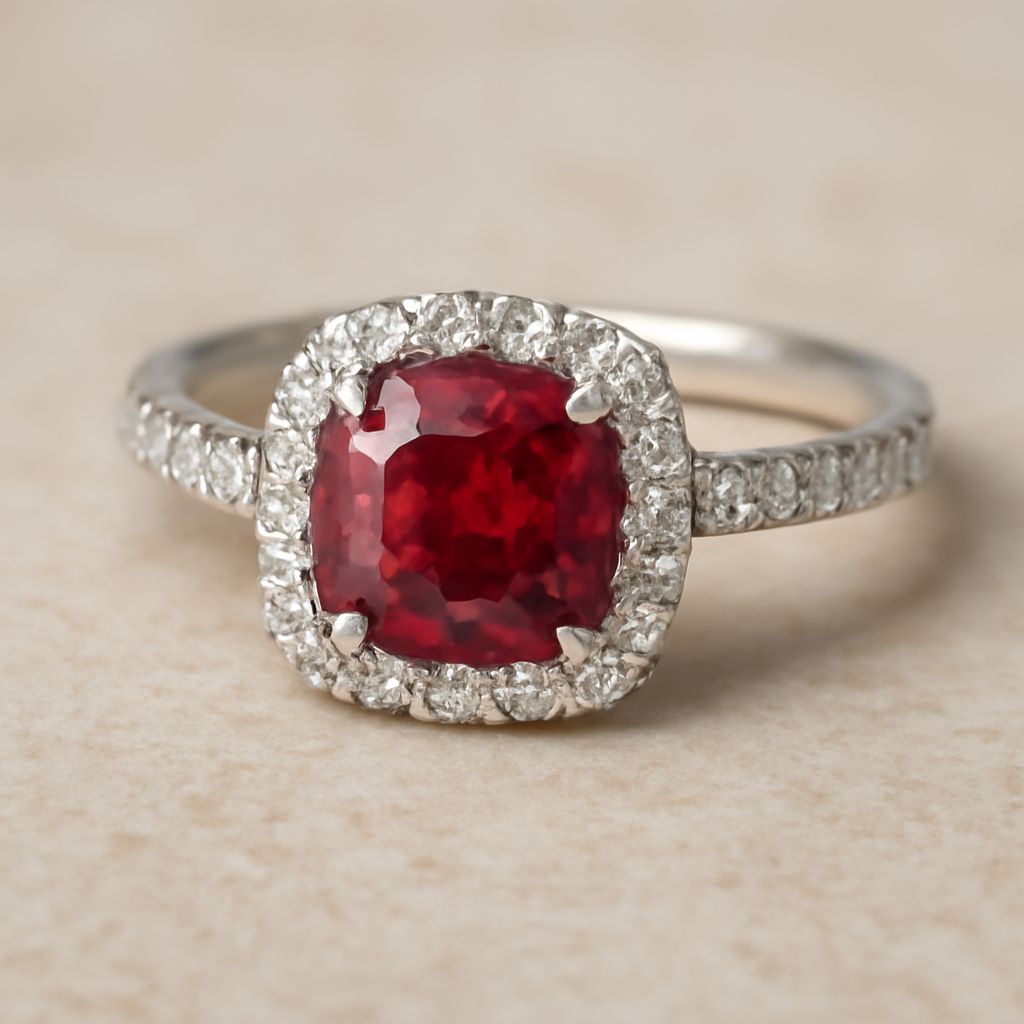
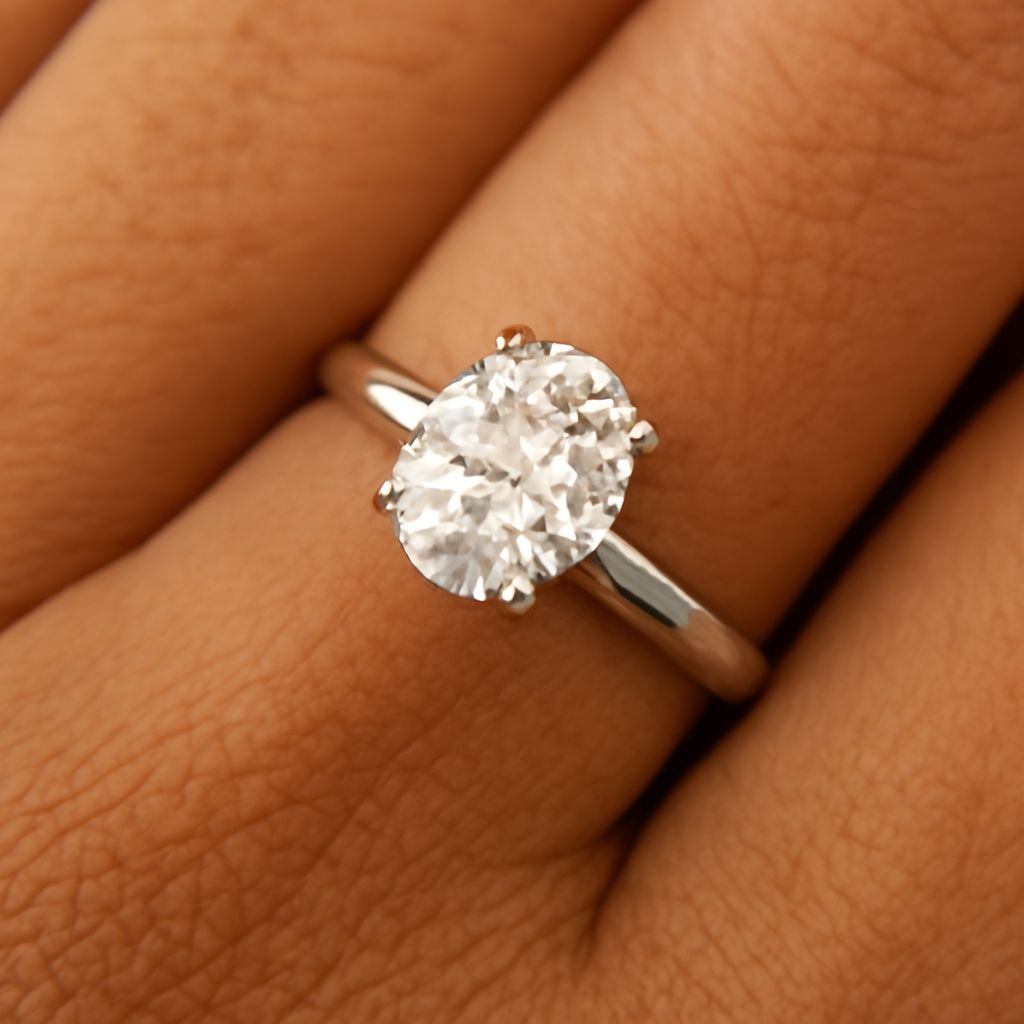
A ruby engagement ring makes a statement that a diamond solitaire does not: it declares a preference for color, rarity, and historical symbolism over convention. Rubies have been used in engagement jewelry for centuries, prized in many cultures as symbols of passion and protection. The engagement ring market has always had room for colored gemstones, but rubies occupy a particularly high position because fine specimens are rarer and — by weight — often more expensive than comparable diamonds. Red engagement rings appeal to couples who want visible distinction in their choice of stone. For those drawn to the diamond world’s rarest option, a red diamond engagement ring represents the ultimate rarity: natural red diamonds are the least common of all diamond colors, and red diamond engagement rings from certified sources command prices that exceed almost any other gemstone combination at comparable quality levels.
This guide covers rubies, red sapphires, red spinels, and natural red diamonds — the main options available to buyers who want a red-toned engagement ring.
Choosing a ruby for an engagement ring
Color quality and grading
A ruby engagement ring depends entirely on the quality of the ruby at its center. Ruby color ranges from pale pinkish-red through orange-red to the most prized pigeon-blood red — a pure, vivid red with a slight blue fluorescence, associated historically with Burmese rubies from the Mogok Valley. Laboratory reports from Gübelin, GIA, or SSEF can confirm origin and treatment status for significant stones. Most commercial rubies are heat-treated to improve color and reduce inclusions; unheated rubies of fine color carry substantial premiums.
Durability and daily wear
Ruby is corundum, the same mineral as sapphire, ranking 9 on the Mohs hardness scale. This makes a ruby engagement ring an excellent choice for daily wear. The main durability concern is clarity: rubies often contain needle-like inclusions called “silk,” and heavily included stones may be more prone to chipping if struck at the right angle. A well-cut ruby with moderate inclusions in a protective bezel or V-prong setting handles daily wear reliably.
Red engagement rings: alternatives to ruby
Red engagement rings can feature several stones beyond ruby. Red spinel — historically confused with ruby and prized in royal jewelry for centuries — offers excellent hardness (8 on Mohs) and vivid color at lower prices than comparable rubies. Red tourmaline (rubellite) produces deep raspberry-red tones but at 7 to 7.5 on the Mohs scale requires more careful wear. Red garnet, while beautiful in fashion jewelry, ranks lower on hardness and is generally not recommended for engagement rings worn daily.
For buyers who want a distinctly red tone but prefer to stay within the diamond category, red engagement rings can be achieved with fancy red diamonds. These are natural diamonds with a primary hue of red, not to be confused with pink diamonds or brownish-red stones that the market sometimes markets loosely as “red.”
Red diamond engagement ring: what makes natural red diamonds unique
A red diamond engagement ring featuring a natural fancy red diamond is among the rarest and most expensive engagement ring configurations available. Natural red diamonds derive their color from plastic deformation of the crystal lattice during formation — a mechanism not fully understood — rather than trace element impurities as in blue (boron) or yellow (nitrogen) diamonds. The GIA color grading system recognizes only two grades for natural red diamonds: Fancy Red and Fancy Dark Red. There is no “light” red because even the lightest natural reds qualify as Fancy.
Red diamond engagement rings are typically built around stones under one carat — most natural red diamonds are small, and the supply of larger stones is extraordinarily limited. A 0.3 carat natural fancy red diamond of fine quality can command prices that significantly exceed those of a comparable-quality D-flawless colorless diamond. Certification from GIA is non-negotiable for any red diamond engagement ring purchase; the color grading must be independently verified.
The engagement ring setting for red stones
The engagement ring setting for a ruby or red diamond should be chosen to complement and protect the stone. Yellow and rose gold warm up red tones and are historically the most traditional pairings with ruby. White gold and platinum create a higher-contrast setting that makes the red color pop visually. For ruby, prong settings that allow light to enter from the sides and below maximize the stone’s color saturation. Bezel settings offer maximum protection but can reduce the stone’s perceived warmth by limiting side lighting.
Annual professional inspection is recommended for any ruby or red diamond engagement ring. The jeweler should check prong integrity, look for surface chips at the girdle, and clean areas that home cleaning misses. For rubies with visible inclusions, avoid ultrasonic cleaners — the vibrations can stress fractures that run to the surface.