T.R. Maxwell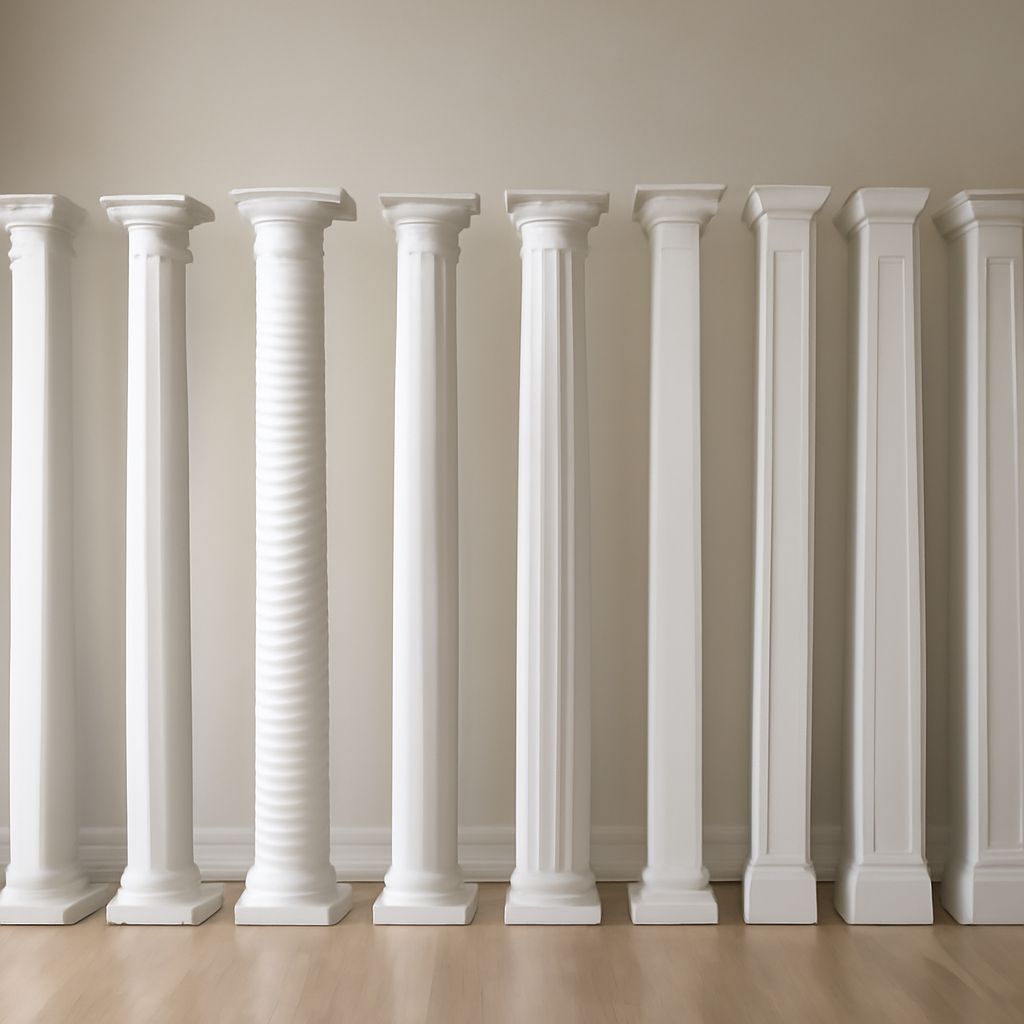
Architectural columns have shaped built environments for millennia, from the limestone columns of ancient Egyptian temples to the steel and concrete cores of modern skyscrapers. The column serves two functions that sometimes overlap: it carries load, and it expresses design intent. Structural columns bear the weight of floors, roofs, and walls above them and transfer those loads to the foundation below. A structural column in a contemporary office building operates on the same fundamental principle as a Doric column in a Greek temple, even though the material and visual language differ completely. Modern columns extend that tradition into new materials, forms, and applications. And the singular architectural column — whether freestanding or integrated into a facade — remains one of the most versatile elements in a designer’s toolkit.
Understanding how columns work structurally and how they function aesthetically gives designers, builders, and property owners a clearer basis for making decisions about existing structures and new construction alike.
How structural columns carry load
Structural columns work primarily in compression: they resist the downward force of weight above them. The load path runs from the roof or floor slab through beams or girders into the column and then into the footing or pile below. A structural column’s capacity depends on its material, cross-section, height, and end conditions. A short, wide column fails by material crushing; a tall, slender column fails by buckling. Structural engineers calculate the slenderness ratio — the ratio of column height to its least cross-sectional dimension — to determine which failure mode governs the design.
Steel wide-flange columns, reinforced concrete columns, glulam timber columns, and hollow structural section (HSS) tubes all carry load differently. Steel fails through yielding and buckling; concrete fails through crushing and shear; timber fails through crushing parallel to grain and lateral torsional buckling. Each material has a corresponding set of design standards that engineers follow.
Classical architectural columns and the orders
Western architectural history organizes architectural columns into the classical orders: Doric, Ionic, Corinthian, Tuscan, and Composite. Each order specifies proportions for the column shaft, capital, and base, as well as the entablature it supports. The Doric architectural column is the most austere — a plain capital, no base, and robust proportions. The Corinthian architectural column has an elaborate acanthus-leaf capital and more slender proportions. These proportional systems were codified by Vitruvius and elaborated by Renaissance architects including Vignola and Palladio, whose pattern books spread classical column grammar across Europe and into the Americas.
Neoclassical buildings from the eighteenth and nineteenth centuries deployed the architectural column as a symbol of civic authority and rational order. Bank facades, courthouse fronts, and state capitol buildings used columned porticoes to signal permanence and institutional legitimacy. That symbolic vocabulary persists in contemporary institutional architecture, though it now appears more selectively.
Modern columns: form and material innovation
Modern columns freed structural supports from historical ornamental conventions. The steel and glass architecture of the International Style treated columns as expressed structure: visible, undecorated, and honest about their material. Mies van der Rohe’s steel cruciform columns in the Barcelona Pavilion (1929) are perhaps the most celebrated modern columns in architectural history — their chrome-plated cross-sections were both structure and sculpture.
Contemporary modern columns include exposed concrete round columns in brutalist-influenced interiors, slender steel pipe columns in open-plan office spaces, and engineered timber columns in mass timber construction. The design freedom available today means that a single architectural column can be tapered, branching, twisted, or perforated in ways that historical structural technology could not achieve.
Choosing columns for renovation and new construction
When selecting or modifying architectural columns for a project, the structural and aesthetic decisions intersect. A structural column in an existing building should never be removed or altered without engineering review — column removal is one of the most common causes of structural failures in renovation projects. If a column’s location conflicts with a proposed open-plan layout, a structural engineer must design an alternative load path — typically a transfer beam — before the column is touched.
For decorative applications where load-bearing is not a factor, fiberglass, polyurethane, and synthetic stone columns offer the visual character of classical elements at lower weight and cost. Consult a structural engineer for any project where column modification is considered, and verify local building code requirements for column sizing and fire rating before finalizing material selection.