T.R. Maxwell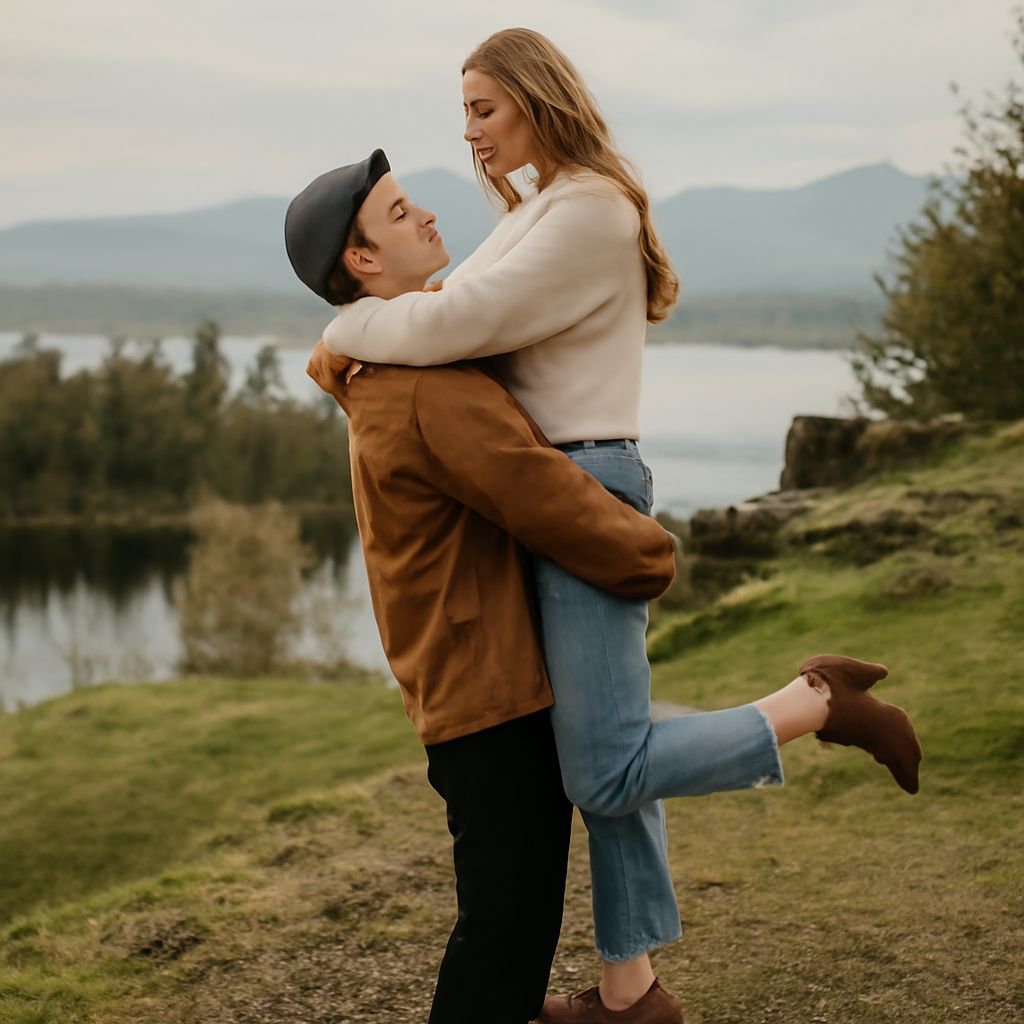
Engagement photos give couples a chance to practice being in front of a camera before the wedding day, and when planned well, they produce images that represent the relationship rather than just the occasion. The engagement photoshoot is also one of the first major creative decisions you make as a couple in the wedding planning process. Getting it right means choosing a photographer whose style fits yours, selecting a location that has personal meaning or visual interest, and thinking through logistics that most couples overlook until the day of the shoot.
The term engagement photo covers a range of styles — from documentary-style candids to formally directed portraits. An engagement shoot, regardless of style, tends to produce the strongest results when both partners feel comfortable with each other and with the photographer. This guide covers everything from timing to wardrobe to what makes an engagement photo shoot feel natural rather than performed.
Choosing a Photographer Whose Style Fits Your Vision
Reviewing portfolios critically Photographer style varies enormously. Some shoot bright and airy — high key, with soft shadows and warm tones. Others work in a moodier, more cinematic palette. Some engagement photos look like editorial fashion shoots; others look like documentary snapshots. None of these is objectively better — what matters is whether the style matches how you want to remember this time.
When reviewing a portfolio, look at full sessions rather than individual shots. A photographer who produces one or two exceptional images but inconsistent quality across a full set may not deliver reliably on your engagement photoshoot. Look for consistency in light quality, composition, and posing guidance across different subjects, locations, and lighting conditions.
Questions to ask before booking
Before signing a contract, confirm: How many edited images does the session include? What is the turnaround time for the gallery? Does the photographer scout locations in advance? How do they handle weather cancellations? What does an engagement photo shoot with them typically look like from start to finish? The answers tell you as much about working style and reliability as any portfolio image.
Location Selection: Where Engagement Photos Work Best
Location affects light, mood, and composition more than any other single variable. For engagement photos, locations with personal meaning — the coffee shop where you met, the park where the proposal happened, the neighborhood where you live — add narrative depth that a generic picturesque backdrop cannot provide.
From a purely photographic standpoint, locations with varied textures and depth of field options give photographers more to work with. A brick wall alone produces flat images; a brick wall beside a garden with a building in the background gives layers. Urban environments offer that variety naturally; natural settings with trees, water, and open sky do as well. For your engagement shoot, scout two or three potential locations and discuss them with your photographer before committing.
Wardrobe and Coordination
Wardrobe is the most overlooked element of engagement photo planning and one of the most impactful. Coordinated colors photograph better than matching outfits — if one partner wears navy, the other might wear cream or soft green rather than also wearing navy. Solids and subtle textures photograph better than large prints, which compete with faces for visual attention.
Many couples bring two outfits and change midway through the engagement photoshoot. This gives the gallery visual variety and lets you try two different aesthetics — one more formal, one more casual. Plan outfit changes into the session timeline so you’re not rushing through the second look.
Making the Session Feel Natural
The most common concern couples have before an engagement shoot is that they won’t know what to do with their hands or how to pose. Good photographers handle this by giving prompts rather than static poses — “walk toward me and talk about your weekend,” “whisper the worst pun you know,” “run to that tree” — that produce genuine movement and real expressions.
For the engagement photo shoot to feel unforced, arrive a few minutes early to settle into the space, and spend the first 10 to 15 minutes just moving around with the photographer before serious shooting begins. This warm-up period is when most couples shift from self-consciousness to ease. Engagement photos taken in the last half of a session almost always look more natural than those taken at the start.
The bottom line: the best engagement photos come from preparation, not performance. Choose a photographer whose style matches yours, pick a location with visual and personal interest, coordinate your wardrobe thoughtfully, and trust the process once you’re there. A session that feels relaxed produces images that feel authentic.